How to Make a Perfume with Essential Oils — *Intuitive Method*
I’ve been a natural perfumer for almost 4 years now and my favorite way to create a new perfume is through the intuitive method. This is a more advanced method since you need to have…
I’ve been a natural perfumer for almost 4 years now and my favorite way to create a new perfume is through the intuitive method. This is a more advanced method since you need to have…
I have taken a hiatus from new posts and have been expanding my knowledge in areas around body care, youthing (anti-aging) techniques, Tantra, and more. I’ve been really busy with getting a bodywork practice going…
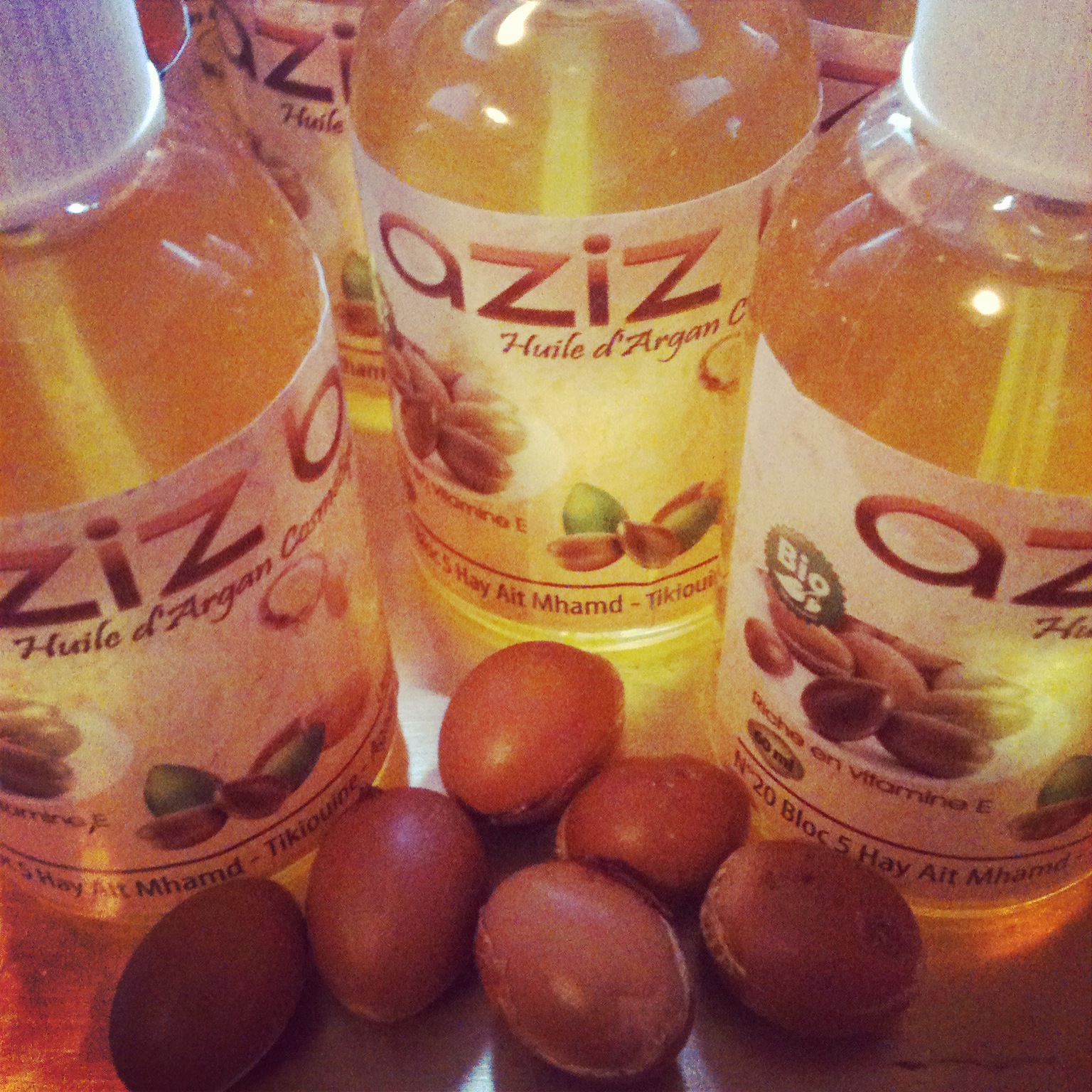
Argan oil is some hot stuff. It’s loaded with vitamin E and fatty acids. It’s liquid gold peeps. Learn how you can get the freshest at the bottom of this post. The anti-oxidants in argan…
Sex. Body. Juiciness. Love. Oils are the trees’ nut juice. Seriously. The pressing of the oils nuts and seeds is what allows the oil to come out. They are fatty, plump, silky, and have and…
You are so juicy, I just know it! And you probably don’t have lots of extra time, because we live in an insane world….or because you are judicious about how you use it! Vitality is…
Skin care oils should be cold-pressed, organic, and fresh for maximum results. Using oils on my skin brings out my SPARK~~ wild, juicy, soft skin~~ so much so I love touching it. You can too…
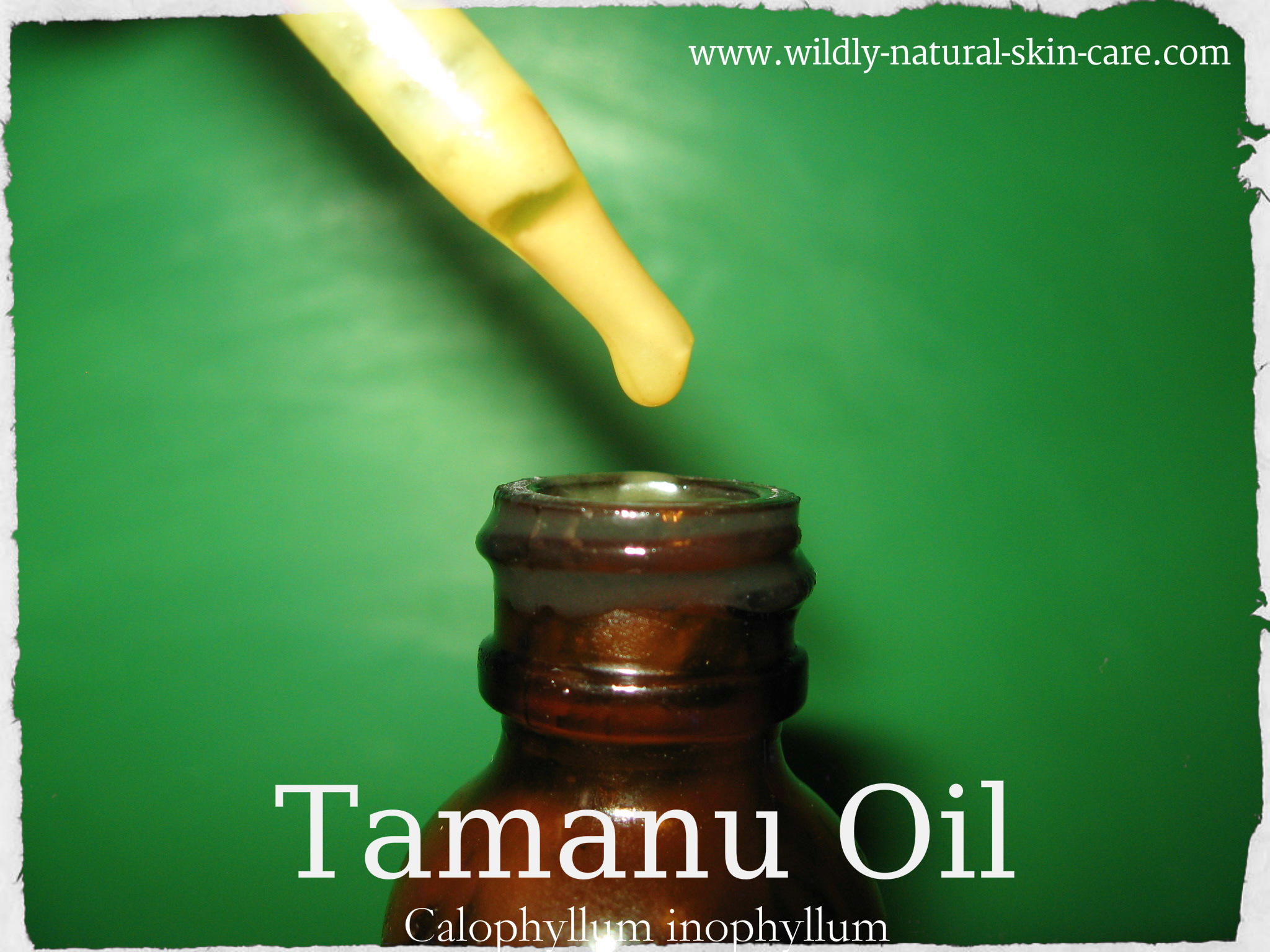
You may have heard about tamanu oil being used to heal acne and acne scarring, along with some other benefits of the oil. This is a rich and thick oil with a long history of…
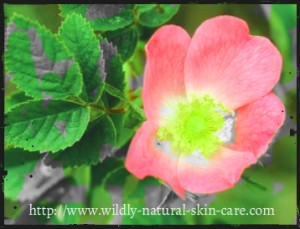
Learning how to make rose oil using the simplers’ method is quick and effective.
Before we get into it though, read the article on the best oils for your skin type to figure out the best carrier oil for your unique skin type or condition.
To make your rose oil the most potent it can be, you should know which type is best for you.
With that checked out, let’s begin!!
If you have access to fresh rose petals, you are abundantly blessed! Allow them to dry for 12 to 24 hours so your batch doesn’t develop mold.
Note that rose oil discussed here is the herbal-infused oil and is different than rose essential oil. Making essential oils requires more sophisticated technology and loads of plant material. Herbal-infused oils are simple to make and are quite medicinal in nature. The aroma is generally much more gentle than that of an essential oil.
The best place to buy rose petals and all other ingredients for this recipe is here.
Work with intention, allowing space in your busy life to be present. It is fitting to say a short blessing or prayer that the final product is an effective healer.
Rosa centifolia and Rosa damascena are the most commonly available Roses and are well-suited for herbal skin care.
1) Fill a clean jar ¾ full with freshly dried or dry rose petals and buds. You can break up and bruise the petals gently.
2) Fill the jar to the top with carrier oil of choice. I use extra virgin olive oil most commonly, though sweet almond or coconut (melted) would work well.
3) Cap and shake to distribute the herb.
4) Label with the herb used, where it is from, the oil used, quantities of each, the date and the method of preparation.
5) Allow the jar to sit in a cool, dark place, shaking daily.
6) At 4 weeks/28 days/1 moon cycle, strain the oil into a clean bowl, squeezing the herb to get every drop. I find it helpful to use an old t-shirt or cheesecloth to catch the herb. Then lift the t-shirt with herb in it and squeeze that.
7) The strained liquid is your finished oil. Essential oil can be added or it can be left as is. It will have the sweet scent of roses, though it may be light. You could always make a double or triple infusion, where you would use the filtered herbal oil as the carrier oil for a fresh batch of rose petals.
Rose Oil can be used as any other herbal oil, for cosmetic, massage and medicinal purposes.
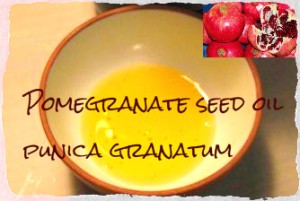
Pomegranate seed oil is used in natural cosmetics and skin care for its anti-aging, nutritive and nourishing properties. Native to Iran, Pomegranate (Punica granatum) has a rich history in the traditional medicines of Ayurveda and Unani.
Here is a great place to purchase the freshest available.
I like pomegranate seed oil for its anti-aging ability and its quick absorption into the skin. I find that it leaves a shiny gloss on the skin surface which is a nice side benefit. It feels somewhat heavy in texture at first, reminding me of glycerin almost, but not quite sticky. It has a nutty smell and is almost bright yellow in color. Be sure to purchase organic, cold-pressed oil for the purest product.
Pomegranate seed oil is specific for problem skin conditions such as eczema and also has been found to be protective against cancers, including breast cancer. It is a wonderful oil for the regeneration of damaged skin in the epidermis (outer skin layer) and is very high in punicic acid. Punicic acid (Omega 5) inhibits tumor necrosis factor and inflammatory disease. The oil also has weakly estrogenic properties, making it vitalizing for women.
The oil has high levels of anti-oxidants that are useful to slow skin aging and counter free radicals. It is a rich source of punicic and ellagic acids, which heal, protect and moisturize dry skin, bring elasticity back and are used for eczema. This oil is a fine ingredient and over 200 pounds of fresh pomegranates are used to produce 1 pound of oil! At Mountain Rose Herbs, you can purchase the best organic pomegranate seed oil.
All parts of the pomegranate plant have medicinal uses (roots, bark, flowers, fruits and leaves). Pomegranate has been intertwined in religious and spiritual practices since ancient times and is associated with the qualities of fertility, abundance and prosperity.
The peel is an astringent with anti-inflammatory and antifungal activities. It is also used as a whitening agent for the skin and for healing wounds. For these purposes, the peel can be made into an ointment for skin repair. The juice is protective against UVA and UVB-induced cell damage. It diminishes wrinkles and inflammation from sun overexposure when used as a drink. The seeds are used for beauty and fertility in Ayurveda.
Reference: Bhandari PR. Pomegranate (Punica granatum L). Ancient seeds for modern cure? Review of potential therapeutic applications. Int J Nutr Pharmacol Neurol Dis [serial online] 2012 [cited 2012 Sep 1];2:171-84. Available from: http://www.ijnpnd.com/text.asp?2012/2/3/171/99469
Photo: Pomegranates by joergens.mi (Own work), via Wikimedia Commons (bottom photo of fruits)
This short 2-question quiz will guide you in the right direction about which skin oils are best for your skin type. Oils are individual and each has its own properties, including dryness/oiliness and warm/cool temperature.
Knowing which ones are best for your skin will give you the best possible experience and results when using oils. For example, an oil that is warm and dry would be best suited for somebody with cool and oily skin, as it will bring that person’s skin closer to balance.
Questions
1) In the middle of the day, how does your skin feel to the touch?
a. oily, I have to wash/dab my face off
b. dry, I usually need to apply moisture
c. it feels fine and I don’t do anything midday
d. parts of my face feel oily, while other parts are dry or normal
2) What is your usual body temperature?
a. I always run cold and need extra clothing, warm drinks and turn the heat up.
b. I am usually hotter than others around me and like to keep windows open.
c. It changes but I generally stay around normal temperature.
Answers
1) A=oily; B=dry; C=balanced; D=combination
2) A=cold; B=warm; C=normal
Now that you have your combination of oiliness and temperature, find which oils are best suited for your type below:
*Dry and Cold skin– the following oils are recommended- apricot kernel, olive, pomegranate seed, sesame oils and shea butter
*Dry and Hot skin– the following oils are recommended- almond, castor and olive oils
*Dry and Normal– almond, apricot, castor, olive, pomegranate, sesame oils and shea butter
*Oily and Cold skin– the following oils are recommended- coconut, plum, rosehip and sesame oils
*Oily and Hot skin– the following oils are recommended- grapeseed, jojoba and rosehip seed oils
*Oily and Normal– rosehip seed, plum, coconut, jojoba oils
*Balanced and Cold– sesame seed oil
*Balanced and Warm– almond oil
*Combination and Cold– experiment with the Dry and Hot & Oily and Hot oils
*Combination and Warm– experiment with the Dry and Cold & Oily and Cold oils
*Combination and Normal– experiment with the oily and dry oils from above.
*Balanced and Normal– may not need anything on your skin! You can try any of the oils mentioned and see if they give you results you are looking for; however, your skin is about optimal.
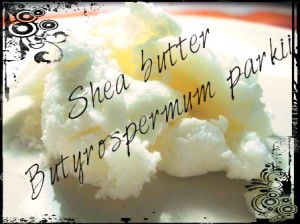
Shea butter benefits the skin in a number of ways. It is from the nut of the African shea tree (Butyrospermin parkii). The thick, semi-solid butter is extracted through an age-old process and is a rich moisturizer. Be sure to purchase only unrefined, pure shea butter. I like to buy shea butter at Mountain Rose Herbs.
Traditionally used in Africa all over the body and hair, shea butter offers protection from the elements of wind and sun. it has a sun protective factor of approximately 6 and is often used to augment sunblocks, with its UVB protection. For dry, cracked skin and brittle hair, shea butter is one of the finest natural products available.
Shea butter benefits nails and cuticles by strengthening and healing.
It is wonderful for mature skin, where the emollient properties will help to slow down the aging process and the antioxidant activities decrease skin damage from stressors.
Shea butter is often used in formulations ranging from creams, body butters and balms. Due to its triglyceride composition, shea butter can form bumps, blooms and crystals when used as part of a formulation. This is due to cooling temperatures and it is only a cosmetic issue. Check out this article on Shea Butter Uses.
I like to add it to face creams for dry and mature skin or use it straight. It is particularly wonderful in the cold, dry weather that we have here in the winters as it’s quite rich and thick. Shea butter benefits the lips as well and makes a protective and moisturizing lip balm.
Shea butter softens and smooths the skin and is an anti-irritant and anti-inflammatory natural skin remedy. Click to read more about shea butter benefits.
It is often used to prevent and heal stretch marks, scars and lines. When I was pregnant with my son, I made and used a body balm blend of shea butter, cocoa butter and coconut oil. This was a thick, viscous butter that I applied almost daily all over my body. I am a rather tiny person and gained quite a bit of weight but did not form any stretch marks!
Shea butter has a long history of use as a base for medicinal ointments, also known as salves. To the base of shea butter, powdered herbs can be added, or melt the shea and use to make an herbal oil using the stovetop or yogurt-maker method.
Here is a handy list of ailments shea butter is used for:
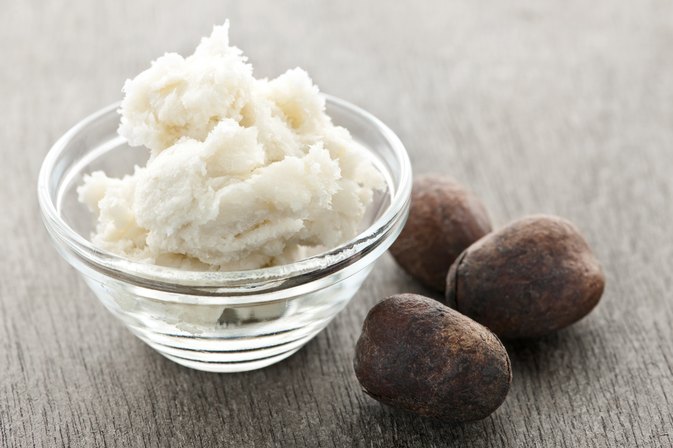
Shea is native to Africa and it is becoming quite popular throughout the world for its highly moisturizing effects. Check out the article on shea butter benefits to learn more about when to use it.
Always be sure to purchase unrefined, pure shea butter that still holds the vital energy of Mother Earth. In this way, you will be nourishing your skin and your spirit :)
I’ve used shea butter on its own as a skin moisturizer and lip balm, as an ingredient in natural face creams for mature and dry skin and as a main ingredient in body butter specifically for pregnant growing skin. It is a versatile butter and is very healing.
Here are 5 ways that I personally love to use shea butter! Do you have something to add? Be sure to comment below!
1) As a daily moisturizer, shea butter is protective and has slight sun protective factors, particularly helpful with absorbing UVB rays. It is most suited for very dry or mature skin or in very dry weather. I like to use it in the winter, when it is dry, the wind is blowing and the temperature is very cold. I find that my skin stays moisturized all day and is less prone to windburn.
2) As a basis for a healing ointment, shea butter adds its own medicinal qualities. For this use, follow the instructions in the article Herbal Oils, using the slow heat or stovetop method.
3) Shea butter uses for the feet include healing cracked heels, torn nails and otherwise dry and irritated skin. it can be used in a foot soak, with about 1 tablespoon added to warm water. Soak your feet until the water becomes cool and finish by massaging in more shea butter.
4) As a body butter, shea can be used alone or blended with other healing oils and butters.
Shea butter uses include preventing stretch marks and healing scars.
Ingredients:
Shea butter 2 parts
Cocoa butter 1 part
Coconut oil 1 part
Directions:
This recipe can be suited to the amount that you want to make. For example, for a 4 ounce jar, it would be 2 ounces of shea butter, 1 ounce each of cocoa butter and coconut oil.
To make, simply melt the cocoa and shea butters and coconut oil in a double boiler just until liquefied. Then pour into a glass jar, cap and allow to cool. This forms a thick balm that can be used all over the body.
5) As an intensive lip balm, eye cream or hand moisturizer, simply use shea butter in its raw state. It is most helpful if you apply before bedtime or another time when you can allow the shea to sink deeply into your skin. Shea butter can also be stored in a smaller container and taken with you for reapplication throughout the day. You will stay moisturized and be much more comfortable with soft lips and hydrated skin!
Whipped shea butter is a bit easier to apply, as unrefined, raw shea is hard in texture.
Ingredients:
Shea butter
Essential oil of choice (optional)
Directions:
Put the shea butter in a bowl and mash with a fork. Whip with an electric mixer until smooth, fluffy and creamy. Add essential oil and whip some more. Transfer this to a container with a wide mouth and enjoy!
Using unrefined shea butter to care for your body will have you remembering that you are sacred!