How to Deal with ANY Skin Issue Naturally
Ok. I love helping people learn how to care for their bodies and skin naturally, using very basic ingredients. I also get a thrill from sharing my experiments and hearing about your recipes and formulas.…
Ok. I love helping people learn how to care for their bodies and skin naturally, using very basic ingredients. I also get a thrill from sharing my experiments and hearing about your recipes and formulas.…
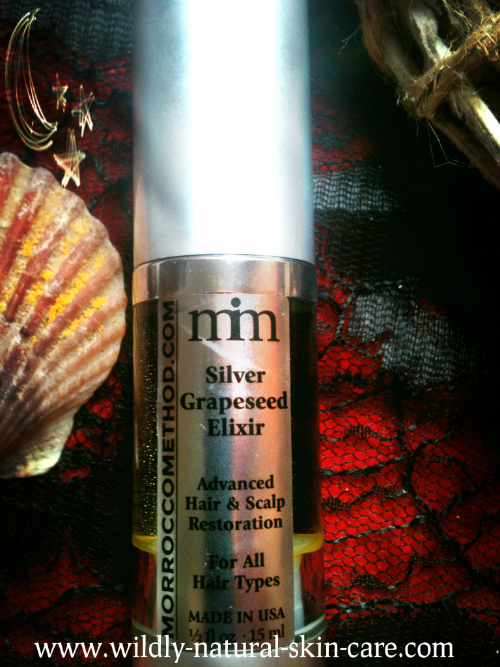
So in my previous post about natural hair care, I shared how I discovered Morrocco Method, the most awesome hair care company thus far. To be fair, the prices are not meek :) but the…
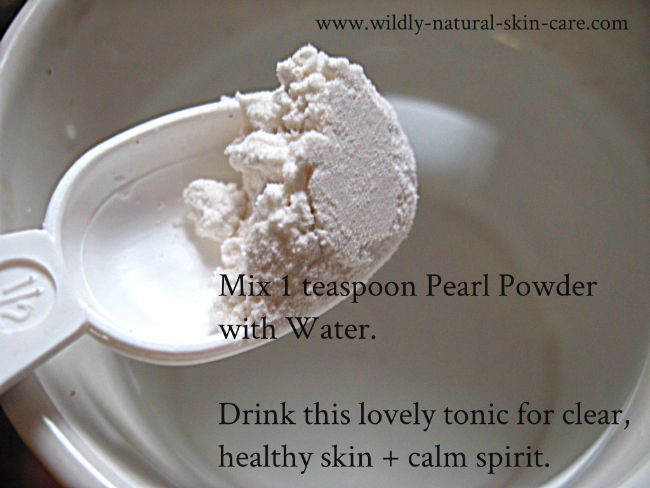
Pearl Powder is an anti-aging, refining, make your skin glow powder that you will want to try. Click here if you didn’t get a chance to read 3 Gorgeous Ways Pearl Powder Can Transform Your…
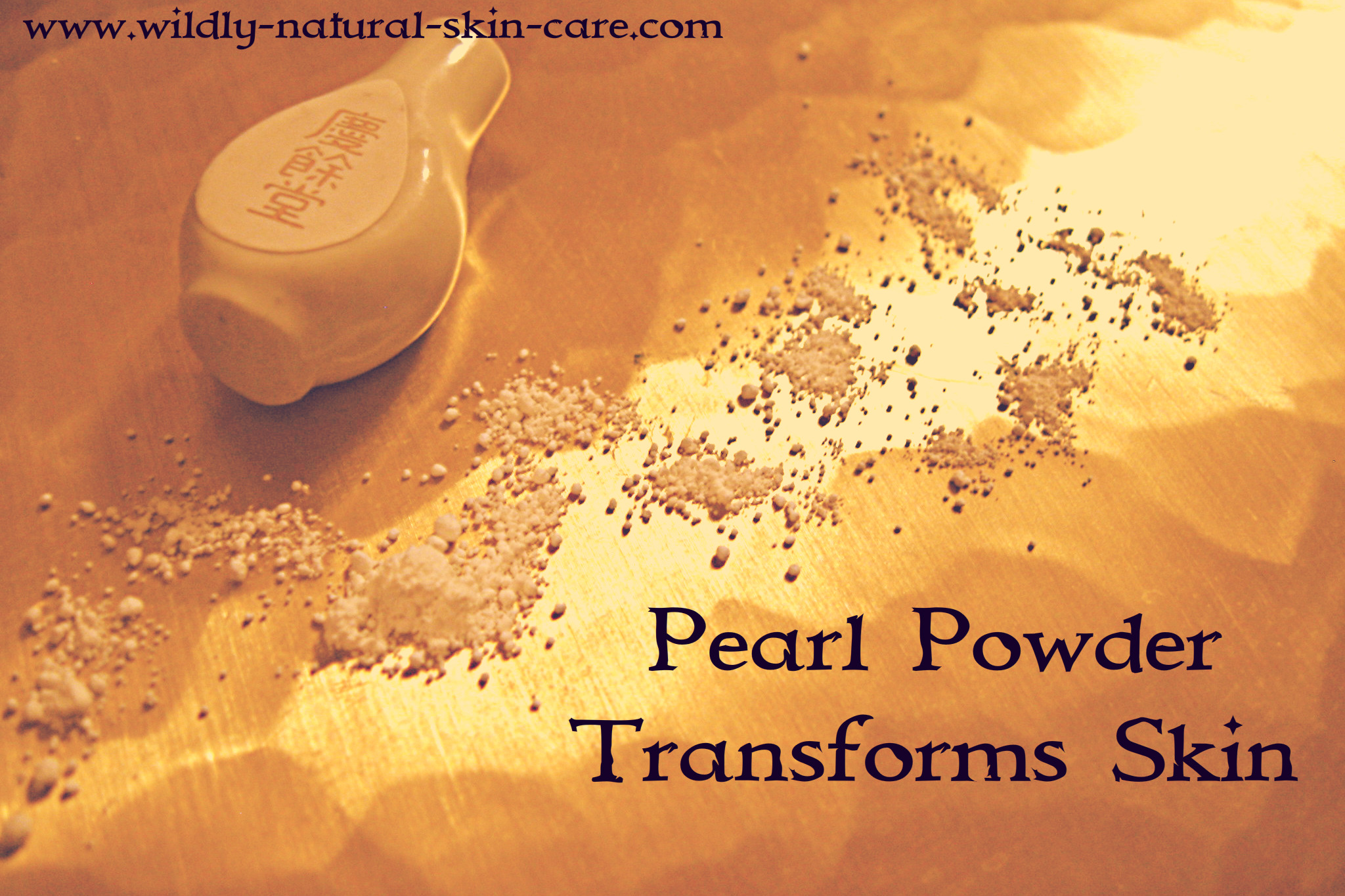
Pearl powder- Zhen Zhu- is literally crushed up pearls. It is dry, nourishing, salty, and sweet. Pearl powder has been used as a beauty tonic, to nourish the heart, and calm the spirit in Asia…
Sore nipples often occur when breastfeeding begins. Particularly when baby has trouble latching on properly, the delicate nipple and areola tissue can get irritated, inflamed and if left untreated, it can crack, leading to bleeding and potentially infection.
Fortunately, you don’t have to let it get that far as there are many herbs and natural remedies that are easily available and effective.
When I began breastfeeding my son, I experienced pain in the first few weeks. It was particularly painful when he latched on to the nipple only (as opposed to the areola). So, while trying out some natural remedies, also work towards a proper latch.
There are topical remedies that can ease the pain of sore nipples and help them to heal. The nipples will eventually “toughen up”. Any tissue that is getting constant pressure and friction will be sore and develop a wound at first, then it rebuilds with skin cells that are able to withstand the sensation. Coupled with baby’s growing experience with a proper latch, the sore nipples will stop being sore.
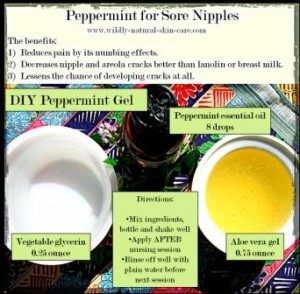
Both peppermint water and peppermint gel are effective for greatly preventing nipple and areola damage and pain. I’ve used my homemade peppermint gel (recipe above) and can tell you, it is quite numbing! The wonderful thing is that the numbing effects last about 2-3 hours, the typical time between nursing sessions in the beginning (though my son was more frequent than that :). Just be sure to rinse the gel off with plain water before the next nursing session as this is not meant to go into baby’s mouth.
Peppermint water was found to be more effective than expressed breast milk in one study and peppermint gel more effective than lanolin in another study. Using peppermint water (Mentha x piperita) to prevent and treat sore nipples is a folk medicine remedy of Azarbayejan in the North West of Iran.
Peppermint essential oil is strong, so please be very cautious in its use. It must be properly diluted or it can cause irritation and damage the skin.
Benefits of Using Peppermint to Treat Sore Nipples:
1. Greatly decreases the likelihood of nipple and areola cracks, with more effectiveness than expressed breast milk or lanolin.
2. Reduces chances of having a cracked nipple at all, meaning that using peppermint will help to make breastfeeding a smooth, painless process.
3. Decreases the pain that can happen with breastfeeding, and less pain increases the chances that you will choose to continue to nurse! I remember a few days in the beginning of nursing where I was literally tearing up during a session. It stopped hurting abruptly, thankfully I was treating my nipples with balms and what not, so they healed up quickly. Peppermint actually acts as a pain-reliever.
-Numbing effects
-Ability to increase tissue flexibility, making it resistant to cracks
-Calming and anti-inflammatory properties
-Has antibacterial activity
Peppermint has been used externally as a skin anesthetic, for healing burns and wounds, and for soothing itching and inflammation.
Ingredients:
Distilled water 1 ounce
Peppermint essential oil 8 drops
Directions:
This recipe can be increased, just be sure to keep the proportion between water and peppermint oil. Store the peppermint water in the refrigerator.
Soak a cloth in the peppermint water and apply to the nipple and areola. Apply after a nursing session only and rinse off with plain water before the next nursing session. Continue for the first month of breastfeeding or until nipples are no longer sore.
Ingredients:
Vegetable glycerin 1/4 ounce
Aloe vera gel 3/4 ounce
Peppermint essential oil 8 drops
Directions:
Mix the glycerin and aloe together, then add the peppermint essential oil. Cap and shake.
Apply after a nursing session only and rinse off with plain water before the next nursing session. Continue for the first month of breastfeeding or until nipples are no longer sore. All of the ingredients for the peppermint gel for sore nipples can be found at Mountain Rose Herbs.
Click Here to Read Part 2 about more remedies for sore nipples.
References:
Effect of peppermint water on prevention of nipple cracks in lactating primiparous women: a randomized controlled trial. Melli, Rashidi, Delazar, et al. International Breastfeeding Journal 2007, 2:7.
A randomized trial of peppermint gel, lanolin ointment, and placebo gel to prevent nipple crack in primiparous breastfeeding women. Melli, Rashidi, Nokhoodchi, et al. Med Sci Monit, 2007; 13 (9).
Photo Credit:
Peppermint (bottom) by Sten Porse (Self-published work by Sten Porse), via Wikimedia Commons
This too shall pass! In the first few weeks of breastfeeding, sore nipples are at their worst. If you haven’t yet, I’d suggest you go back and read part 1 of this series, about finding relief using peppermint.
This article starts off with number 2, the common purslane.
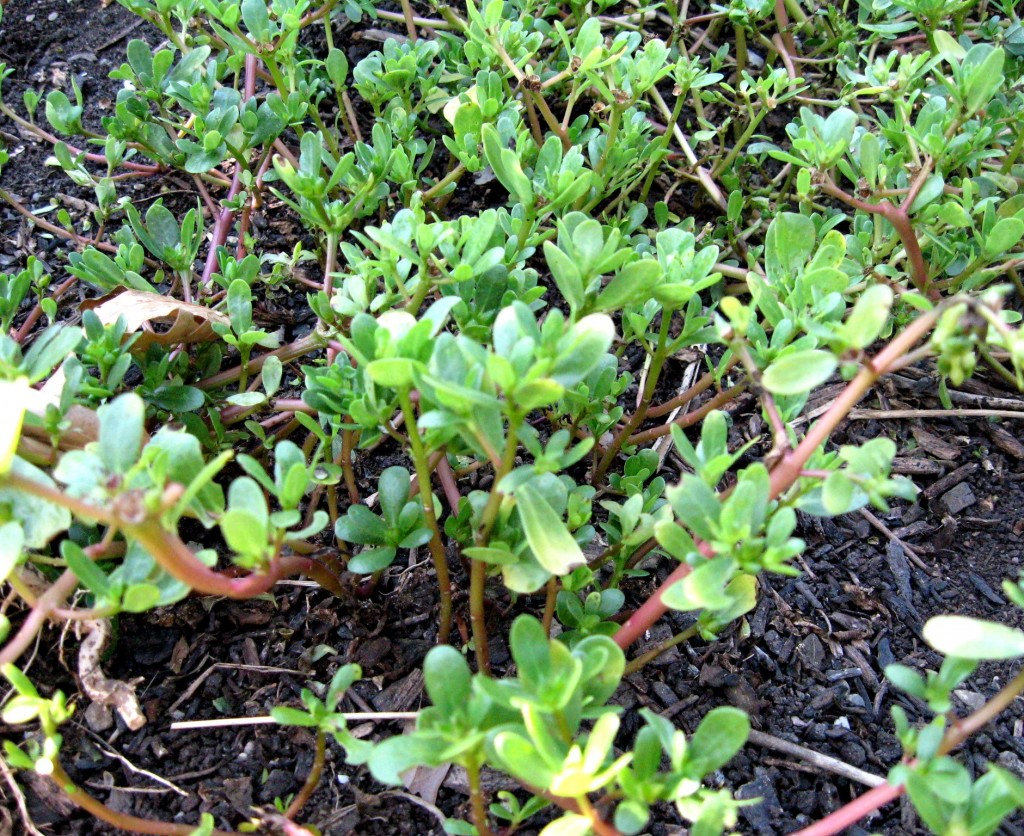 Purslane (Portulaca oleracea) has both anti-inflammatory and analgesic (pain-relieving) effects. It is a common weed, very nutritious and can help to relieve nipple pain when applied topically. Just collect some fresh leaves, mash up with a mortar and pestle and apply directly to the nipples. Rinse with water before the next nursing session.
Calendula is useful for all manner of wounds, cuts and infections. A salve or oil can be applied after a feeding and will absorb quickly. If there is still a great deal on your nipples for feeding time, go ahead and dab some off. I generally make my own, but a high quality calendula oil can be purchased from Mountain Rose Herbs too.
I’ve written a bunch on the topic of calendula for the skin. You can check out the articles calendula for skin and calendula recipes, amongst others.
There are many lanolin-based emollients on the market. It is rich, viscous, penetrating and protective. As it is so thick, it may be difficult to apply straight. It will make a great ingredient in another balm or salve.
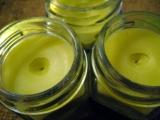
Make a salve with coconut oil, herbal oils of plantain, marshmallow, and comfrey and beeswax. I used this along with lanolin with great success when I was dealing with sore nipples.
Aloe vera has many uses for the skin, including wound healing and can be helpful to repair the damaged skin. Different species of aloe are used in parts of Africa for healing cracked and sore nipples.
Aloe vera gel is the basis of my recipe for peppermint gel, a variation of a gel from some scientific studies used to treat sore nipples. I love to use aloe on a number of skin issues and it is quite gentle and effective for delicate tissue.
Breast milk contains human growth factor, tons of vitamins and is super nourishing. It is also soothing for hot and irritated conditions. Breast milk is effective in preventing or helping to heal nipple tears and cracks.
Many of the ingredients for treating sore nipples can be purchased from this shop, a zero-waste, environmentally and socially responsible herbal company. For example, the aloe vera gel, calendula oil (or flowers to make your own) and ingredients to make your own coconut balm can be found there. I have been buying from them for many years and will continue to do so in the future.
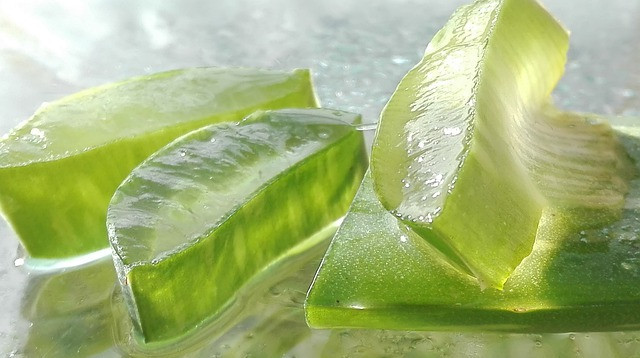
Natural remedies for rosacea will address both the inflammation and the mite that play roles in the condition.
As a sensitive skin ailment, preventative measures include avoiding irritants including synthetic fragrance and using simple, multi-use products in the beauty regime. There are pre-made natural products for rosacea and many DIY techniques as well (see below). Soap can also aggravate rosacea and non-soap cleansers will be more soothing.
All of the ingredients can be found here.
Burning, stinging, itching and irritation can all be associated with rosacea. Often accompanied by inflammation and chronic rash on the face, rosacea can resemble acne but is not related. Blushing, flushing, and vascular dilation are often present. It may be aggravated by certain creams, oils, the sun and spicy foods.
People with rosacea are more likely to have large populations of Demodex mites on their skin. It is thought that with changes to the skin like aging and triggers from emotional stress and excess sun, the mites are able to get a foothold and rapidly reproduce on the skin. This invokes an inflammatory defense response; the chemical cathelicidin plays a role in the condition and is the skin’s defense against microbes. Other theories are that the mites create a physical blockage of the pores and/or carry other bacteria within them that contribute to inflammatory response.
It is considered a hot disease energetically so a main part of the herbal strategy is to cool. In coming up with a natural program for rosacea, the inflammation, heat and the mite are all addressed.
In Chinese medicine, three patterns are associated with rosacea, depending upon the severity.
Goals and strategies for minimizing the symptoms of rosacea include the following:
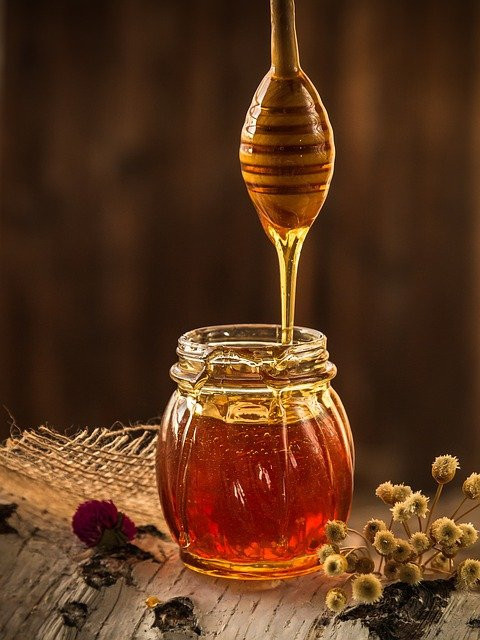
Honey and oats are both natural remedies for rosacea. They will help to keep the skin clean while causing no irritation- very important in rosacea.
Cleanse with honey and oats twice a day. Honey is a topical antiseptic, slightly exfoliating and softening to the skin. It is suitable for the most sensitive skin types. Oats are physically exfoliating, very soothing, calming and moisturizing.
Keep a cooling, anti-inflammatory spritzer on hand when out in the heat. This can be helpful to reduce redness and flair ups associated with heat triggers.
This recipe has oregano essential oil which has a potent antibiotic and anti-parasitic effect. This recipe doubles as an astringent to use after cleansing as well. Apple cider vinegar toner restores the skin’s natural acid mantle. The acid mantle helps keep the skin’s flora in balance. Aloe vera gel has toning and cooling effects, with wound healing and antibacterial properties.
Ingredients:
Aloe vera gel 1 ounce
Apple Cider Vinegar ½ ounce
Oregano essential oil 8 drops
Tea tree oil 5 drops
Lavender essential oil 5 drops
Directions:
Mix the aloe gel and apple cider vinegar. Add in the essential oils, cap and shake. Always shake before use and be sure to avoid the eyes and the eye area. This can be put in a spray bottle and sprayed directly to the face.
Here is where I like to buy these ingredients to create natural remedies for rosacea.
Moisturize with neem oil, coconut oil and/or pomegranate oil.
You can mix all three of these together for synergistic effect and add essential oils to increase the strength. Essential oils like oregano, tea tree, geranium, chamomile and rosemary will be particularly helpful.
The following all have anti-inflammatory substances and so can help to calm the skin and reduce the redness.
Many of these ingredients and more can be found at Mountain Rose Herbs.
References:
The Potential Role of Demodex folliculorum mites and bacteria in the induction of rosacea. Jarmuda, et al. Journal of Medical Microbiology, 2012. Accessed on October 15, 2012.
Zi Zai Dermatology Blog. How to treat rosacea with Chinese Herbs and Acupuncture.
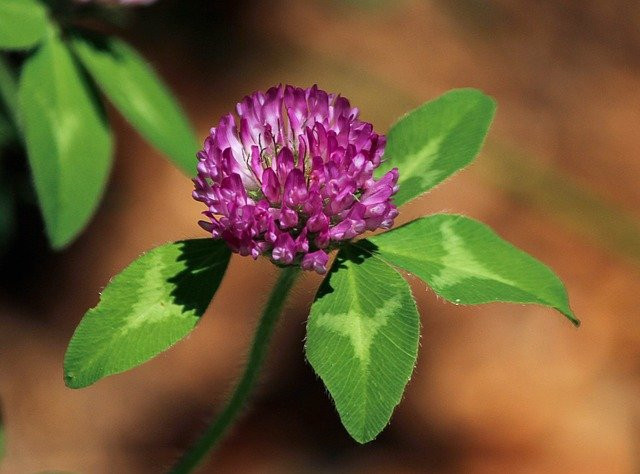 Effective natural remedies for psoriasis will address both the inner (root) cause and the outer symptoms. Psoriasis is a skin condition which produces red, itchy, irritated patches of skin that flake and form scales. The scales are actually dead skin cells that haven’t yet shed. In psoriasis, the skin is regenerating too quickly, leading to the buildup of scales. It is generally attributed to genetic causes and/or and autoimmune response.
In holistic medicine, psoriasis is associated with many causes, including excessive heat and wind. However, it can be a complicated disease and difficult to treat. The following natural remedies may be useful for mild to moderate psoriasis.
All of these herbs are useful as a tea or tincture and can be found in whole form or as products at Mountain Rose Herbs.
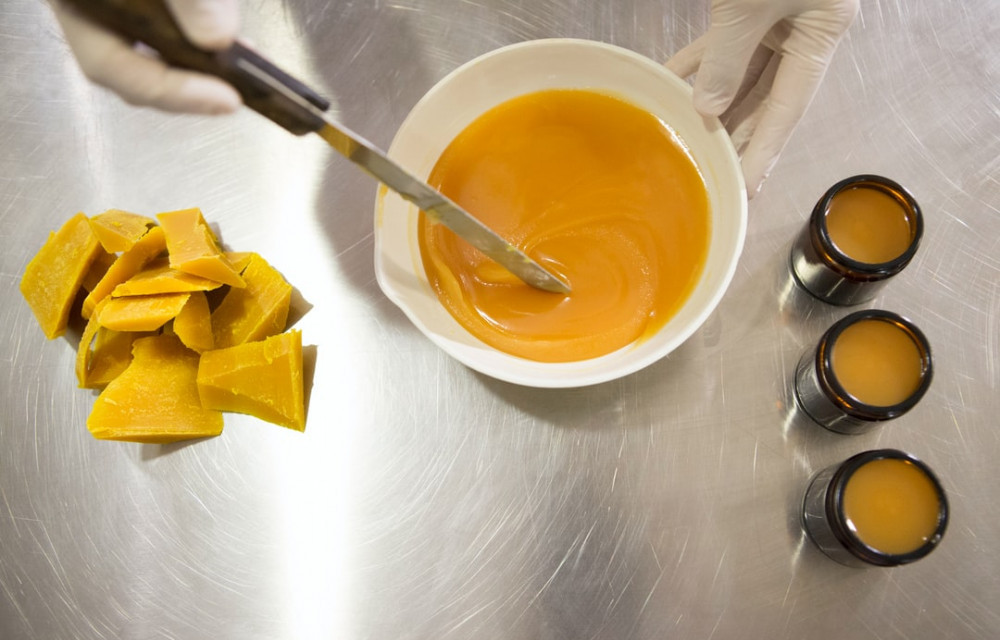 The following balm is based on a formula found to be effective for psoriasis in controlled studies, combined with the traditionally indicated herbs burdock, sassafras and comfrey. If you do not have the herbs, you can make the formula with plain extra virgin olive oil, just leave out the herbal infusion step and proceed to make the balm with just olive oil, honey and beeswax.
**This balm for psoriasis should be applied 3 times per day for up to 4 weeks for best results.
Ingredients:
Extra Virgin Olive Oil 3 oz
Comfrey root and leaf ½ oz
Burdock leaf ½ oz
Sassafras root ½ oz
Manuka or Local honey 3 oz
Beeswax 3 oz
Directions:
If using the herbs for the balm, follow the instructions for making an herbal oil. Once you have your herbal-infused oil, you are ready to go.
Pour the olive oil or herbal oil into a glass measuring cup to the 3 oz mark.
Grate the beeswax and add to the oil until the mixture is raised to the 6 oz mark.
Place this mixture in a double boiler, set on low. Keep stirring the mix with a chopstick until the beeswax is melted. Take off of the heat and allow the mixture to cool.
Then add the honey until the mix is up to 9 ounces. Blend the honey in with a handheld blender.
Once everything is well-mixed, pour the balm into jars, cap and allow to cool.
Reference: The source for the base of the Ultimate Psoriasis Balm recipe is found in the references in the article Olive Oil for Face.
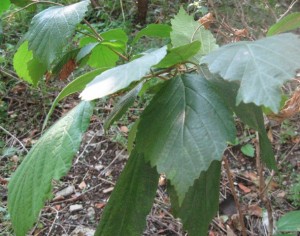 Witch hazel astringent is a pretty well-known folk remedy here in America. It was used by the Native Americans for its tightening, toning, and soothing properties as a decoction.
In the 1800’s it became a popular remedy in the mainstream and has managed to still be a rather common preparation. It is also called witch hazel extract. Being astringent is a property of some plants, particularly those high in tannins or other chemicals. An “astringent” is also used interchangeably with the term toner (that is what this article is about!). An extract is a medicinal tincture of the plant (where a medicinal plant is steeped in a menstruum).
Witch hazel (Hamamelis virginiana) is a native small tree in the northeastern United States. The commonly used medicinal part is the bark of the tree as well as the leaves. The bark contains 31 times more tannins than the leaf extract. If you’d like to make your own witch hazel extract, be sure to use the bark of fallen branches or at least prune the tree and use the bark and leaves from those branches. Taking bark from the trunk (girdling) can kill the tree.
Witch hazel dries and tightens tissues so it works on moist and loose conditions. It is often used for conditions that are inflamed, red, and oily: acne, hemorrhoids, irritated cuts and rashes, dermatitis and itching. It can be used to help dry up poison ivy rashes, diaper rash, bedsores and other oozing, inflamed skin. High in tannins, witch hazel has natural properties that tone and tighten the pores, decrease inflammation, act as an antiseptic and slightly dry oily skin. It is also an antioxidant and radiation-protective. Witch hazel astringent makes a great aftershave and works to dry up pimples.
Witch hazel extract can be found at many pharmacies; however, I have found this to be mostly rubbing alcohol and rather unpleasant. I prefer to purchase witch hazel astringent by the gallon from Mountain Rose Herbs. The witch hazel extract commonly available in the U.S. is a product of steam distillation. The twigs and bark are distilled in vats for 36 hours, then re-heated, condensed and filtered. Alcohol is added to the final product as a preservative. In Europe, a water-alcohol extract is used rather than the distillate.
Witch hazel hydrosol is also commercially available. An astringent can be made from witch hazel simply by tincturing the bark in 40 to 65 percent alcohol (80 to 130 proof). The finished tincture can be diluted with a floral water, like rosewater, to make a less drying, more soothing astringent. Or essential oil can be added for a particular medicinal effect.
Alternatively, a decoction can be made from the leaves and stems and the final “witch hazel water” can be preserved with alcohol. This is desirable when a high amount of tannins is required, since the distillation process actually destroys most of the tannin content.
High quality witch hazel extract is generally 14% alcohol by volume and can be used to extract other herbs. One of the most common ways I make skin toners is by using witch hazel extract as a solvent (called the menstruum), tincturing other skin-loving herbs like lavender, rose, oregano, sage and thyme. To this witch hazel astringent/herbal extract, I’ll add other beneficial ingredients: flower waters, essential oils, glycerin, and aloe vera, depending upon the skin type for which I am formulating.
Witch hazel astringent is a great herbal to have on hand as a toiletry and a first aid item. It acts both cosmetically, in the treatment of acne and pimples, as well as medicinally when working with rashes, blisters and similar conditions. While some commercial preparations are high quality, be aware that many products found commercially are mostly rubbing alcohol and may have little medicinal value.
 Natural remedies for acne abound and are generally incomplete without an internal component. There are many natural topical treatments that are effective for healing existing pimples and lesions and preventing scars.
Since this is such a broad topic, I’ve split it into 2 parts: internal and external treatments.
I had cystic acne as a teenager and it was very painful, emotionally and physically. Unfortunately at that time, the internet barely existed and local knowledge on the subject was mostly limited to allopathic treatments, though I did try some holistic therapies with little effect. The advice I received was incorrect or incomplete.
At a Native American pow-wow, I asked the ladies working by the herbs what would help with acne. Unfortunately, they didn’t know and suggested I try urine therapy. It didn’t work very well, though I did faithfully try it for about a month.
My next attempt was with an acupuncturist who taught a Chinese herb class that I attended. I received acupuncture only once and he suggested that I cut out ALL fats. For one, as a teenage girl, my body needed fats for development. Number 2, I was and have always been very thin and metabolize fats very quickly. While I can see what was getting at (cutting out bad fats), I can tell you that after about 1 month or so of a super low fat diet, the acne was still there and I was really craving some food!
I eventually went the allopathic route and when antibiotics didn’t work, went on Accutane, which, with all its nasty side-effects, did work. I do however know that natural remedies for acne work! I just did not have access to the resources and people who could have helped me. Luckily today, we have the internet and access to knowledge is vast.
Focus on supporting the liver and cleansing the blood, and on herbs that are cooling and drying.
Ingredients:
Burdock root (Arctium lappa) 2 parts
Dandelion root (Taraxacum officinale) 2 parts
Yellow dock root (Rumex crispus) 1 part
Red clover (Trifolium pretense) 1 part
Directions:
The herbs can be made into a tincture and taken 3 times daily at 30 drops per dose. Or you can make a tea from them, but you will need to decrease the amount of dandelion and yellow dock roots to make it palatable. You can purchase all of the herbs for this formula here.
As an herbalist, I love to craft my own formulas and make my own medicines. However, I realize that not everybody either wants to, has the time or the knowledge. I know how frustrating it can be to hit a wall and not find solutions because of that!
This shop is one of my main go-to’s when looking for just about anything herbal and they carry a Skin Care Extract that is formulated to purify the blood and support healthy liver function, which in turn assists with healing acne from the inside out.
1) Real, whole foods diet. My life is so so much different now. Back then I really ate a lot of junk: cookies, processed foods, white sugar, etc. not to mention I was doing a lot of recreational drugs at the time. Diet is best individualized based on your constitution, genetics, seasons and skin condition. That said, acne is a “hot and damp” condition in general and so dietary guidelines energetically address that.
2) Limiting meat. I’m not an advocate of vegetarianism necessarily, but meat a few times a week is sufficient for the body’s needs. Excess meat is associated with heat in the body which leads to many imbalances.
3) Limit dairy to cultured and raw. Particularly in acne, which is a damp and hot condition, dairy can exacerbate it.
So, basically healthy fats including meat, eggs, extra virgin olive oil, organic butter, ghee, avocados and some cultured or raw dairy. Focus on vegetables, fruits, whole grains like rice and oats, legumes, fish and lots of water.
Here are some resources for dietary changes, since it is a huge topic in itself:
GAPS Diet
The World’s Healthiest Foods
Tea tree oil can be taken orally for its mild antibiotic action. Take 1 drop daily applied to the back of the tongue. This should show results in 1 to 2 weeks.
For full effect, these natural remedies for acne should be tried along with the outer remedies which can be found in Natural Remedies for Acne Part 2: Topical Suggestions.
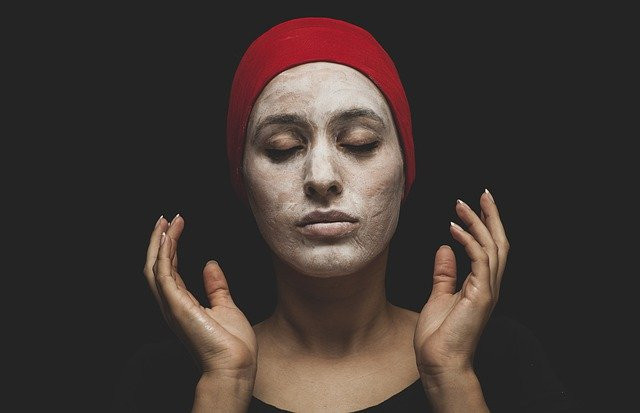 In this article, external natural remedies for acne will be offered. When I suffered with acne, I tried tons of over-the-counter products, urine therapy, soaps, cleansers, prescription medications and more. It was a painful journey. I am happy to be on the other side and educated on effective, gentle, natural solutions that work.
Along with the suggestions for internally supporting the body in healing acne, it is important to address topical remedies and healing existing pimples and sores, clearing scars and maintaining overall good skin health. If you missed the first part of this series, read Natural Remedies for Acne Part 1 for internal suggestions.
All of the ingredients for making your own acne products can be found here.
I always recommend staying away from soaps and the same goes for acne conditions. Soaps dry the skin, causing it to then produce more oil to compensate. Oil has many functions: moving toxins out, lubricating, protecting. Our skin NEEDS oil. To read more about the function that oil plays in the skin, read Natural Skin Care Oils.
Cleanse with a grain and herb-based formula. Click here for my favorite facial cleansers.
This is a 2 step process: apply a water-based toner such as aloe vera, witch hazel astringent, bay rum astringent or even pure water. When the skin is still damp, apply a thin coat of facial oil.
Which Astringent to Choose?
They are all good and beneficial for acne. I suggest you choose one to start and see how your skin responds. Give it at least a month before deciding if you like it or want to try another. Astringents are really easy to make on your own. You can read how to make them here (although that article covers witch hazel astringents, the same process applies to vinegar based astringents too).
Aloe vera has strong antibacterial properties against P. acnes (the bacteria partially responsible for acne). Apply to spot treat, as well as for a toning effect on the whole face. Add tea tree oil or another of the essential oils listed below to the aloe to strengthen the effects.
Vinegar-based astringents (I like apple cider vinegar) are good natural remedies for acne because they help the skin to maintain its natural acidic mantle. At a low pH, the skin is best able to maintain a healthy bacterial composition and function at its best.
Witch-hazel based astringents are toning and tightening in nature. Witch hazel is a natural astringent, high in tannins, which are plant chemicals with a drying and tightening nature.
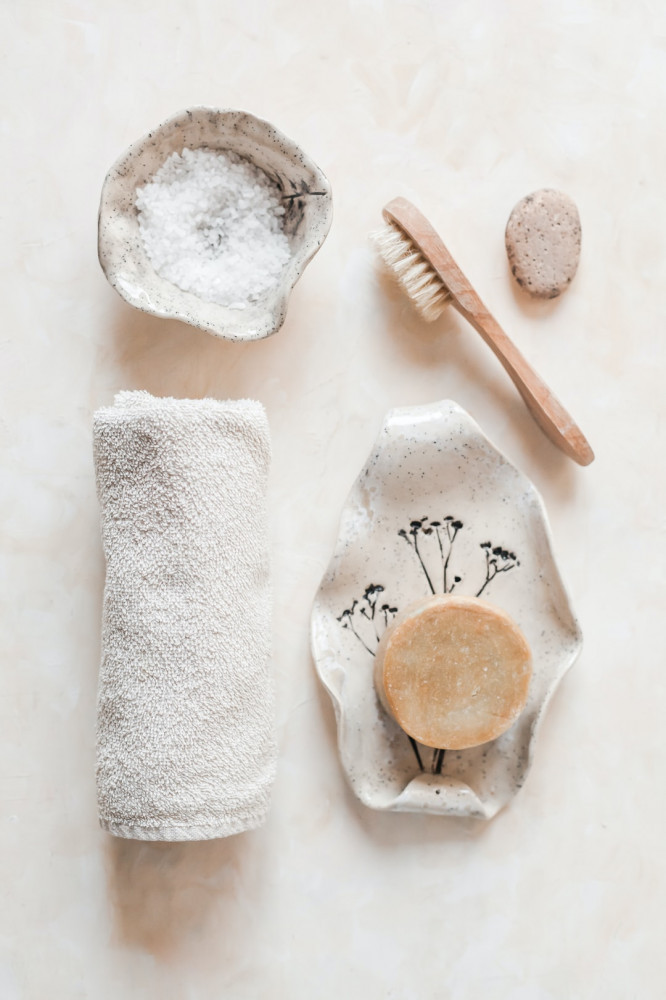
To any of those carrier oils, essential oils can be added to increase the therapeutic effects. These are essential oil that have acne-fighting properties.
In addition to the above daily routine, a weekly face mask will also be helpful in treating acne.
Jojoba oil Acne Mask has been studied for it’s acne-fighting effects. You can easily learn how to make your own with the short video I made.
Or
Honey Mask- Honey is a natural antiseptic, skin softener and antibacterial. Read more about honey for the skin.
Rose hip seed oil has trans-retinoic acid, a precursor to retinoic acid, and is a mild exfoliant. It can help to smooth out existing scars when used daily over a period of time.
Regular, gentle exfoliation helps the skin to produce a new, unscarred layer and slough off dead skin cells. Once the acne is under control, try out some of these fruit exfoliants to shift into smoother skin.
Keep in mind that acne can be a complicated condition and the root cause will need to be addressed. Your skin may respond differently to these suggestions. Always be mindful of how your body is responding and if after 3 to 4 weeks, no change is noticed or a worsening continues, then consider another treatment. Sometimes there will be a temporary worsening of the acne as your body clears out toxins and regains balance. This occurs even with allopathic treatments.
In addition to topical natural remedies for acne, many people will need to make dietary changes and/or herbal support. I know everybody does not want to make their own herbal medicines, so I encourage you to check out the digestive and liver-supportive blends made by Mountain Rose Herbs.
Herbal Bitters is a certified organic elixir full of digestive supportive herbs and formulated to be yummy. They also carry a Skin Care Extract, formulated specifically for “managing common skin issues like acne, eczema, psoriasis, dandruff, boils and rashes”.
I have had the pleasure of working with local medical herbalist Ola Obasi in various capacities over the past year. Ola is a driving force in the Pittsburgh herbal scene and is a blessing to the community. I am so pleased that she was able to do this interview to bring light to some holistic ways we can all take better care of ourselves and therefore, our skin. Check out her website and shop, Ola’s Herb Shop, where she does health consultations, education and carries beautiful products online and in person.
Q: As a medical herbalist, what is your philosophy on skin care?
As a medical herbalist and a person who has struggled with acne vulgaris throughout my 20’s and early 30’s, I believe that skin health starts from inside-out. Skin problems like acne, rashes or skin diseases all stem from certain imbalances with the internal organs.
In addition, lifestyle and hygienic habits may also be secondary factors. The skin functions as the largest elimination organ of the human body, so caring for it is essential for proper detoxification to occur.
Q: Do you find that there is a main cause to most skin issues? Can you please elaborate on the cause?
No. There are several factors that could contribute to skin issues and all may originate in various places. For example, the least common reason for skin issues such as hygiene could be a possibility especially in adolescents. As their hormones change and they produce more oil through their sebaceous glands, this group would find that simply washing and cleansing with certain gels and pH products could make a large difference in their skin’s appearance.
Also, skin products are prime in assisting the skin to cleanse environmental pollutants that may also stress the skin’s health. However, most people with skin issues are very clean and aware of the imbalance of their skin because it’s obvious.
The most common reasons for skin issues could be, say, dietary. The majority of my clients who struggle with skin problems experience a reaction from their food. They may be intolerant or allergic and the body is trying to detox the “toxin” out. Being that the skin is the largest elimination organ it makes sense that toxins would show up on it.
Next, specific skin issues such as eczema or psoriasis originate from imbalances in the digestive system. Often, liver herbs are recommended to support liver to detox. In a nutshell, proper digestive function, nutrition, and lifestyle are factors in maintaining skin health.
Q: With that being said, what are some simple ways to get to the root of many skin problems (ie diet, exercise or something else)?
So to improve skin in general, I would start with adequate intake of water, water, water. Pure water is the prime remedy for all problem skin cases; individuals with acne, aging skin, eczema, psoriasis, rosacea, dry skin, rashes etc. Simply because our bodies are composed of over 70 percent water and our body functions require water to function at a cellular level. Detoxification processes require water to cleanse and rejuvenate cells and tissues. So people need to be conscious about having healthy water intake.
Another daily practice is diet. To pay attention to food reactions and interactions is highly important. These could vary from dairy products to citrus fruits. It would be advisable in this instance to work with a nutritionist or knowledgeable health care practitioner closely to figure out which foods are toxic in the body.
Stress reduction! Hormonal imbalances should be considered too. Reproductive and stress hormones are linked to creating skin problems when imbalanced. Acne in particular could be closely related to testosterone levels in the body. It is a reason why adolescents commonly struggle with acne since at puberty hormonal growths and transitions are taking place to find balance in the body.
However, stress is also a common factor in acne, psoriasis, rosacea and other skin problems. The stress hormone, cortisol, can affect reproductive hormones such as testosterone which could lead to higher acne production, but can also aggravate sebaceous and sebum stimulation and secretion increasing acne, psoriasis and other skin problems.
Herbal remedies, nutrition and supplements are recommended in optimizing proper hormonal balance.
In line with skin hygiene, it is important to use clean, natural and well designed skin care products for individual use. Harsh products can permanently damage the skin or create a reactive response such as rashes, contact dermatitis and hives.
Natural products for specific skin types can be gentle and modified for individual need. In addition, natural skin care practices such as facial steaming, exfoliation, moisturizing, masking and toning are all beneficial in maintaining skin care, nurturing and assisting the elimination, repair and rejuvenation process to take place.
Moreover, natural topical products can assist the skin’s immunity towards bacteria, fungi and viruses. This is especially specific to skin problems such as warts and tinnea.
Lastly, many times people neglect to monitor their bathroom habits. When nature calls it is important to obey. Having consistent bowel movements is crucial in the detoxification process therefore healthy skin care. Constipation has been linked to skin problems and should be rectified immediately.
~To sum, important factors for maintaining or regaining skin health~
1. Healthy water habits: pure, clean water drunk in adequate amounts
2. Dietary habits and healthy digestion: pay attention to the body and notice if there are trigger foods. Decrease unhealthy fats, like imbalance of Omega 6, fried foods and other fast foods. Eat more antioxidant type foods (vegetables, fruits) and soluble and insoluble fibers.
3. Balance hormones with herbal therapy and supplements
4. Hygienic practices; cleansing, exfoliating, masking, moisturizing, steaming the skin.
5. Daily bowel movement habits.
Q: I was always taught that with skin issues we look at the liver. Thoughts on that?
I have heard many herbalists say the same thing. I think the liver is one piece of the puzzle as it manufactures hormones and excess hormones are excreted in the bile and then eliminated. It is also related to digestion and healthy bowel movements.
However, it is unfair to only look at the liver. There are certainly other organs in the body that can affect the skin. And these organs need to be nurtured to optimize healthy skin growth and repair. Moreover, an outward focus on the skin using healthy, clean and natural products designed to assist in the repair of damaged or wounded skin is crucial.
Since the skin contains pores that are like nostrils breathing in all that is around us, including environmental toxins and pollution, one has to consider their environment as a factor in skin health. So it is unfair to only focus on the liver, I choose to focus on the holistic connection of skin care and health which as you can see can be like putting puzzle pieces together.
Thank you for sharing your wisdom, Ola.