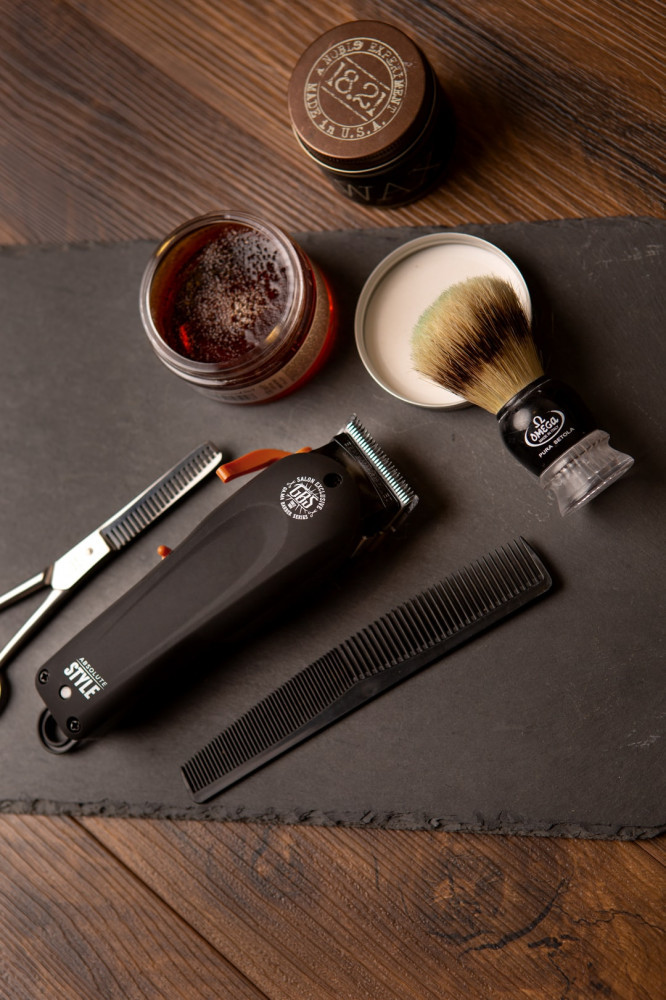
Razor burn treatment will help ease the discomfort, irritation and help to heal the bumps too. Razor burn is also called pseudofolliculitis barbae, razor bumps and shaving rash. It is a type of folliculitis- which means “inflamed hair follicles”.
The body reacts to the ingrown hair with a red and bumpy rash. It occurs more often in curly haired folks. While this article is specific for men and facial hair, all these tips can be applied regardless of what part of the body you are shaving!
Once you already have bumps, there are a few razor burn treatments to try to soothe the rash.
The main ingredient in one commercial preparation is rubbing alcohol and I have known men who use just that followed by a rich cream with good success.
You can try astringents as well. Two good ones for soothing and closing pores are listed below.
You may need to allow the hair to grow in a bit until the ingrown hairs work themselves out.
Then follow the suggestions below the next time you shave to avoid another round of razor burn.
Suggestions for Prevention
Of course you can completely eliminate razor burn by growing a beard, or at least letting it grow out for 30 days to eliminate the ingrown hairs. Then use a single blade razor or electric razor. Basically this keeps the hair long. If this is out of the question, follow the steps below to create a new shaving routine.
Gentle exfoliation with sugar scrubs periodically can prevent ingrown hairs decreasing inflamed spots.
Prep the Skin by Warming It Up
Warming the skin prior to shaving will allow the pores to open and you will be able to get a closer shave with less irritation. Use a warm compress or shave in or after a hot shower.
Use a Natural Shaving Soap or Oil
Shaving soaps can be made that are gentle and properly lubricate the skin.
Mix liquid castile soap with aloe vera gel and 1 tablespoon of sweet almond oil. This mixture can be put into a pump bottle and used for every shave.
Use the “cap and brush” method. Put a bar of handmade soap in a cup. Using a shaving brush, get it slightly wet and swirl around in the soap. Then apply the soap to your face with the brush. In addition to it being a nice way to apply the soap, the brush strokes will slightly exfoliate the skin and increase circulation.
Or you can use a shave oil instead, which can be as simple as plain coconut, almond or olive oil with a few drops of essential oils like bay, black pepper, and/or sandalwood. Not only do these smell good, they are also antiseptic. Both the carrier oils and the essential oils for razor burn treatment recipes can be found at Mountain Rose Herbs.
Tips for Shaving to Decrease Razor Burn
Here are a couple basic tips to decrease the likelihood of getting razor burn in the first place:
Shave in the direction of the hair rather than against it and do not stretch the skin when shaving.
Take your time while shaving to avoid nicks and cuts.
Finish with a Bracing Astringent and Soothing Lotion
Astringents can help to close up pores and decrease inflammation, ease redness and prevent infections or sores.
Witch hazel is another great astringent, also used for acne and as a razor burn treatment.
Apply additional oil if skin feels tight or dry. You can use the same oil that you used to shave with! That is part of the power of natural skin care- each ingredient has a wide array of uses!
Quite often, you beautiful people are asking me about food for skin and what to eat for a generally healthy complexion. While this is a huge topic, a grand place to start is with my top five suggestions below!
Before I begin, I must say:
EVERYBODY IS DIFFERENT.
Yes, you probably hear that quite a bit. It is because it is so true. The first step in holistic healing modalities is to know your constitution which makes you unique. There are many ways to learn about your special body and needs. I suggest studying Ayurveda or Traditional Chinese Medicine or consulting with a holistic practitioner.
Many people tout this or that particular food (for example, aloe juice or garlic or lemon) without realizing the underlying energetics at play. Those foods / medicines might be great for some people or for short periods but aloe is cool, garlic is hot and lemon is astringent.
Soooo, a person struggling with a cold or deficient condition should not be taking aloe everyday because they’ll make it worse. And a person with lots of inflammation might find garlic irritates. Lemon will dry out and so a person with dry skin will find it worsens that.
The guidelines that I will give are based on my education and experience with Ayurveda, TCM, the Weston A. Price Foundation and intuition. I don’t prescribe to popular dieting advice. This is what works for me and I have found works for others as well.
Intuitive eating can be learned…as first the unhelpful habitual eating patterns need to be unraveled before the intuition is very clear (ie, a craving can sure feel like intuition in the beginning!!).
Food for Skin
Foods High in Antioxidants
Skin cells are always dying off and being born. They interact with the environment and our skin products. Antioxidants are critical to offsetting damage from free radicals in the environment. Free radicals are molecules with an unpaired electron, which connect with oxygen and can create a domino effect of destruction. Antioxidants basically prevent the oxygen from connecting with the free radicals, eliminating damage to the skin.
Antioxidants are high in many fresh fruits and vegetables. Some of my favorites are:
Green tea (Camellia sinensis) – has so many wonderful health benefits but be aware that it is astringent and too much can be drying. Two to three cups a day would be the max.
Dark berries – including blueberries, raspberries, and mulberries. Berries are best and most potent in season. Eating lots of berries in the cold weather can create cold imbalances.
Red cabbage – a great vegetable source of antioxidants! This is a great source of antioxidants through the fall and winter.
Cod Liver Oil
Cod liver oil is a great food for skin (well, really a supplement) as it is high in Omega 3 fatty acids which are an integral component of building cell walls. It is also really high in Vitamins A and D, both critical vitamins for skin health.
Make sure to purchase a brand that has been tested to be free of heavy metals and other pollutants.
Probiotic-Rich Foods for Skin
These are foods that are full of beneficial bacteria. Did you know there are much more bacteria in our bodies than cells?? Yes, bacteria help in a synergistic way with all sorts of bodily functions, including being very important in the digestion process.
As food for skin, they help by regulating digestion and improving the skin microbiota and barrier function. Healthy digestion creates vibrant skin as unhealthy digestion often is reflected in the skin.
Good sources of probiotics:
Beet kvass
Homemade sauerkraut or other lacto-fermented vegetables
Kombucha
Kefir and yogurt
Finally, eliminating sugar from the diet can be of great benefit to skin health.
The process of glycation is when sugar contacts collagen and basically destroys it. The loss of collagen is one of the main causes for skin aging, so something to keep in mind.
These are some foods for skin that you can start incorporating right away to improve or maintain skin health.
Diaper rash takes many forms. So the first step will be figuring out what is causing the rash, as the different types require different natural therapies.
For example, an ammonia rash occurs mostly from cloth diaper usage and so, the diapers themselves need to be dealt with. The skin won’t have a chance to heal if the exposure to ammonia build-up doesn’t stop.
A yeast infection is a totally different animal and often requires dietary changes along with topical ointments. The following recommendations are for a standard diaper rash.
So what is a “standard” rash?
A rash is inflammation of the skin, appearing red (on light skin) and with raised bumps. It can be itchy, burn, or not be bothersome. These symptoms are important clues to determine with what you are dealing.
Diaper rash occurs on the genitals and buttocks and is most often triggered by the hot and moist environment created by diapers. A rash can be triggered by being in an overly wet or soiled diaper and then it can be tough to heal because the repeat of the same environment.
Diaper rashes can progress into infections if picked, scratched or otherwise opened so it is important to address it right away.
Here are some preventative measures to take:
~Common sense with frequency of diaper changes
~Naked time if possible, particularly outside
~Think cool and dry to resolve the rash
~Avoid soaps, scented products and synthetic balms or creams. Babies can be cleaned with a wet washcloth reserved for the purpose. They do not need to be washed with soap.
Herbal Approaches to Dealing with a Rash
Ingredients for making rash remedies: clays and witch hazel distillate. These can be found here..
A witch hazel decoction or astringent
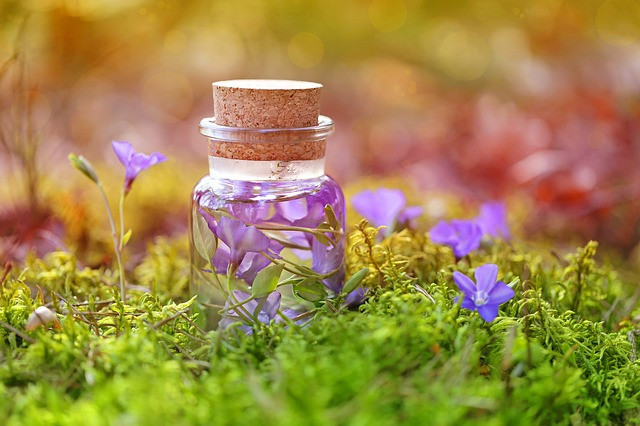
For a decoction, just decoct (low simmer) witch hazel bark (one alternative is white oak bark), allow to cool, strain and either spray or apply with a cloth. Refrigerate this or mix it with distilled witch hazel to preserve. Using a pre-made, distilled witch hazel astringent is an option too, as these are multi-use bases. Essential oils like lavender, tea tree or chamomile can be added at 5 drops per ounce. Use these at every diaper change and allow to dry if possible.
Powders made from clays, powdered herbs, baking soda, and arrowroot powder can be used:
1. To make a paste for acute situations
2. As a dusting powder to keep area dry
A very basic powder recipe just uses clay and tea tree oil:
Ingredients:
Clay – 1 cup
Tea tree oil – 20 drops
Directions: Mix these together very well and store in a cool dry place.
Here is an antimicrobial powder recipe for more stubborn rashes or infections:
Ingredients:
Clay – 1 cup
Baking soda – ½ cup
Arrowroot powder – ½ cup
Yarrow powder – ¼ cup
Thyme powder – ¼ cup
Calendula flowers, powdered – ¼ cup
Marshmallow root powder – ¼ cup
Tea tree essential oil – 20 drops
Lavender essential oil – 10 drops
Directions
The herbs should all be powdered to a fine mesh. Mix in the other dry ingredients. Add in the essential oils, shake, and store in a cool, dry place.
To make a paste with either of these, just take about a tablespoon and mix with some water, enough to make a spreadable pasty consistency. These pastes are good to use when the rash is stubborn, red and irritated and not going away. Apply and let sit for 20 minutes, rinse off and apply a balm or oil.
Most folks know of the most common use of aloe vera for skin: treating burns. Did you know that there are many other applications for aloe?
I’ve used aloe vera in creams, toners, blended with lavender essential oil and straight! I find it has an astringent, toning and tightening nature which makes it an excellent toner on its own, to be used under a skin oil.
Being water-based, aloe can hydrate and moisturize. It is also soothing, cooling and extremely healing. It is used in Ayurveda to maintain beauty and decrease the signs of aging. It is also estrogenic, making it useful for women for vitalizing and toning the skin.
Aloe vera actually prevents sunburn for me! If I apply it immediately after sun exposure, I find the redness subsides immediately and turns to tan.
Click here to read more about the benefits and uses of aloe vera for skin.
Major Wound Healing Properties of Aloe
Aloe vera for skin is quite effective for wounds of all sorts, when used topically or internally. It has been used successfully for such serious wounds as caused by burns, frostbite, electrical injury, and drug abuse injection site abscesses. It actually can reverse tissue necrosis when used in these cases!
Aloe has demonstrated faster healing times following dermabrasion, reducing the chances of infection and skin discoloration upon healing. It is also used as a wound healer for sore and cracked nipples during breastfeeding.
Periodontal uses of aloe vera for include: acute mouth lesions, including cold sores, ulcers, canker sores and cracks around the lips. Aloe is also used with effective to remarkable results for chronic ulcers, eczema, minor injuries and poison ivy allergic reactions. It also shows anti-edemic and analgesic activity in the opportunistic infections experienced by diabetes patients. This is a a remedy you’ll want to have on hand!
The anti-inflammatory properties of aloe assist in its ability as a wound healer. It cools down burns and aides in cell-regeneration. The wound healing capacities include increasing tensile strength of the healed skin, so that it is able to be flexible and therefore stronger. It heals completely and without scarring.
Aloe Vera to Dry Up Acne
It is also highly useful for acne, as it is able to kill Proprionibacterium acnes, a bacteria that plays a major role in all types of acne. It has potent antibacterial effects against Streptococcus pyogenes, Staphylococcus aureus, Pseudomonas aeruginosa and Escherichia coli. To use it for acne, apply the aloe as a toner before putting on a moisturizer, morning and night.
Be Sure to Purchase Real Aloe Vera for Skin
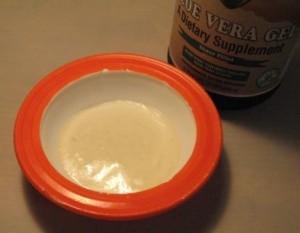
If you are unable to grow the plant, be sure to purchase aloe vera that is free from additives. I like to buy my aloe vera at Mountain Rose Herbs. There are many products on the market touted as “aloe vera” that are actually comprised of very little of the actual plant. Aloe vera is a gel-like substance, clear in color and somewhat lumpy.
Reference: Wound Healing, Oral and Topical Activity of Aloe Vera, Clinical Abstracts.
Age spots are also known as liver and sun spots. These appear on light-skin and are thought to be the result of abnormal melanin pigment, which is stimulated by overexposure to the sun. It is not related as much to age as it is to length of sun exposure. However, the spots generally take some time to develop and so tend not to appear until later in life, after much sun exposure.
Preventing sun spots by using a natural SPF (active ingredients either zinc oxide or titanium dioxide) is wise. Argan oil is a very healing oil and is helpful for existing spots, while the zinc oxide helps prevent more spots from forming.
As the body ages, it can be less able to properly respond to cell damage from the sun. Liver support is always suggested in skin ailments and in this case, dandelion (Taraxacum officinalis) is of particular value. The root is suggested for liver uses.
There are many types of spots due to skin damage from the sun, aging, or hormones:
Age spots (solar lentigines) aka sun spots, liver spots
Poikiloderma (reddish-brown in color)
Melasma (mottled brown)
Natural Ways to Eliminate Age Spots
Daily Use of Natural Physical or Chemical Exfoliants
Exfoliating daily increases cell turnover, revealing new skin that is not damaged. Exfoliating stimulates circulation and generally promotes brighter, fresh skin cell growth. Check out homemade exfoliants for more ways to exfoliate your skin.
I LOVE these konjac sponges for exfoliating and cleansing at the same time.
Exfoliating with cleansing grains recipes based in foods like beans, oats, or corn or using natural fruit chemicals is recommended.
Of the natural chemical exfoliants, buttermilk or soured milk (containing lactic acid) and lemon juice (containing citric acid) are commonly used with good results.
Lemon juice is a skin whitener and brightener in general and used for revealing fresh skin. To treat spots with lemon juice, you can apply the juice directly to them 2 times per day until the they subside. Note that citrus in general can make you more prone to sun damage, so be super sure to protect yourself from sunburn.
Lactic acid and milk products were made famous by Cleopatra, who is said to have kept her youthful beauty by regularly bathing in sour milk. I can attest to its skin softening and soothing ability, which lasts for about a week, before it needs to be repeated.
Herbs and Natural Substances for Topical Use
Aloe vera is an aid in cell-regeneration and can also strongly protect the skin from sun damage to begin with. It has been used as a beauty aid among East Indian women in Ayurvedic practices. Apply twice a day until spots subside.
Castor oil is commonly used to treat growths and marks of all sorts, including sun spots.
Sap from the dandelion stem (Taraxacum officinale). In addition to its liver protective ability, the common weed dandelion has a sap within the stem which is used to ward off growths and marks. Just break the stems and apply the white, milky sap to the spots. I have heard reports that this can darken the skin where applied until new skin grows back; however, I haven’t personally experienced that. Something to keep in mind if you plan to use it on your face. Do a patch test first.
Gotu kola, powdered and made into a paste is applied to age spots with great success.
Rose hip seed oil is a powerful anti-aging oil that gently exfoliates with its retinoic acid content and helps to clear up pigmented spots. I have personally experienced success with using rose hip seed oil on a twice daily basis. It has significantly lightened a few age spots that I had.
Jasmine Absolute is commonly used in aromatherapy for its deeply relaxing, euphoric and enticing properties. It is also great for aging skin, and balancing skin tone and color.
Cold sore remedies can help slow or stop the viral infection in its tracks and help existing sores to heal more quickly. Using topical and internal remedies together will be most effective.
Cold sores are caused by the Herpes Simplex Virus-1 and have many triggers for an outbreak, including extreme temperatures, stress, illness or low immune function, diet and sleep changes. It can be worthwhile to track what your triggers are and then tailor a plan to reduce them and/or build up your immune system before encountering them.
The virus first infects the skin cells around the lips and then it spreads to the nearby sensory nerve cells where it “lives”. Though the immune response clears the virus from the skin area (resulting in the actual sore), the virus stays dormant in the neurons. They are reactivated by the triggers, which causes the cycle to start over once again. It is interesting to note that the immune system killing the virus is what actually causes the sore.
Herbs for Cold Sores
The following herbal approaches have a history of use and success as cold sore remedies.
Lemon Balm (Melissa officinalis) is useful both as a tincture and essential oil. It is an antiviral herb with the benefit of soothing nerve pain and nervousness.
When you first feel the “tingling” sensation, begin to apply the tincture or diluted essential oil. You can also take the tincture internally or drink lemon balm tea to hasten the healing process!
Black walnut (Juglans nigra), particularly the green hulls, is high in iodine which is helpful for healing the sores. Black walnut also is a strong antiviral herb, along with being astringent and contracting, making it a well rounded cold sore remedy. Make a decoction of the hulls and dab the liquid to the cold sores. Or make a medicinal oil with the hulls and apply that to the cold sore.
Here in the northeast U.S., the hulls fall off the tree in late September/early October. There is generally an abundance so you can stock up on some fresh medicinal oil! I would make the oil using the fresh hulls in olive oil. I have used black walnut hulls as a plant dye which creates a dark brown depending upon the concentration.
Other herbs that are useful in dealing with cold sores and herpes virus:
Myrrh (Commiphora myrrha) is an antiseptic, astringent and antiviral herb resin which can help to heal the sore as well as combat the virus. Both the tincture and essential oil (diluted) can be useful.
Spilanthes (Acmella oleracea) is often used for gum and teeth health because of its antiseptic and numbing properties. Here is a great article all about spilanthes written by Natalie Vickery of The Family Herbalist. Spilanthes extract can be found at Mountain Rose.
Yarrow (Achillea millefolium) is astringent and dry, so it will help to hasten the healing of the sores. It is another wild plant and is easily wildcrafted, flowering in mid to late summer.
Astragalus (Astragalus membranaceus) is an immune system tonic, making it very useful for overall health and for the prevention of cold sore breakouts.
Mushrooms, including reishi, maitake and shiitake are all wonderful for the immune system and for stimulation of white blood cells which can assist in ushering off the invading viral cells. Many mushroom extracts are on the market nowadays and the extract is a great way to use them as medicine.
Cloves (Syzygium aromaticum) contain a compound called eugenol which has direct action against the herpes virus. The essential oil is extremely strong and should only be used highly diluted.
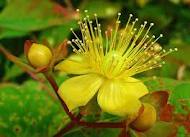
St. John’s wort (Hypericum perforatum) is an herb specific for nerve pain. As the herpes virus stays dormant within the neurons near the lips, Hypericum can help to relieve pain associated with breakouts. Hypericum oil is blood red and a great way to use this herb for cold sores.
How to Use Herbs as Cold Sore Remedies
The following herbs can be used internally as cold sore remedies, as teas or tinctures:
Lemon Balm
St. John’s Wort
Spilanthes
Astragalus
Please do your research before using herbs internally.
Topically, I would make a strong herbal oil infusion using a selection of the herbs above and add to it the essential oils. Alternatively, stick with just one herb and test how your body reacts to it. I love this. It is the best way to know what works for you! Lemon balm would be a great one to start with and is readily available.
Natural skin care remedies have been used since the beginning of time and have long-standing in traditions of Ayurveda, Chinese medicine, Native American medicine, and in European and other cultures.
Generally, skin care remedies are two-fold: internally treating the cause and externally treating the symptom with balms, ointments, oils, clays and other concoctions. In order for the external treatments to be really effective, the lifestyle including diet and exercise has to be addressed.
The Intimate Connection between the Liver, Gut and Skin
Skin conditions have many causes. In the western herbalism tradition, the liver is often looked at as playing an important role in skin health. This is because if the liver is not able to adequately process and remove toxins, they make their way back into the bloodstream and out through the skin.
Herbs that support the liver and are therefore considered tonics for skin health include dandelion root, burdock root, bupleurum root, milk thistle, sassafras and yellow dock root.
Skin Care Practices
Much of what is passed down in the mainstream about skin care is being shown to be incorrect. For example, cleansing with oils, herbs and foods is becoming well known as are the detriments of using soaps to clean the face.
Similarly, using chemicals on the skin can cause inflammation, irritation and generally deplete the health of the skin. Use this website to learn how to take care of your skin 100% naturally.
If you are interested in learning more about addressing liver concerns(and hence, potential skin care treatments) using herbal medicine, I encourage you to peruse the articles in Jim McDonald’s Herbcraft site.
Lifestyle Greatly Contributes to Skin Health
General guidelines for a healthy lifestyle can be conflicting. I always recommend a natural approach, from diet to exercise to skin care.
Eat healthy, whole and natural foods, and work out the processed foods, sweets and other junk foods. This can be difficult and it’s ok to make it a process. I’ve been eating healthy and consciously for 9 years and yet just gave up my last major vice this past winter: sugar. Once the initial craving and crankiness subsided, I felt great! I have noticed I am less prone to anger and just all around happier.
Check out the Weston A. Price Foundation for more dietary information that is really healthy, not mass marketed.
Exercise. I am now really into kundalini yoga and in the past have practiced tai chi, kung fu, pa qua and other types of yoga. Even just going for a walk and doing some stretches at home is beneficial.
Sleep. If you can, do it! For the past 2 years, my son has kept me from sleeping soundly and I definitely noticed a difference in my skin tone!
Drink water, herbal teas and infusions and green tea.
What is inflammation and why is it such a big deal? I write so much about inflammation because most skin conditions are caused by it. For example, skin diseases such as acne, eczema, dermatitis, rosacea, razor burn, psoriasis, and various rashes, wounds and swellings are either symptoms of underlying inflammation (chronic) or the result of inflammation on the surface (acute).
Click here to read more about skin dis-ease and natural remedies.
Just consider that the word dermatitis means inflammation of the skin (derma=skin and titis=inflammation).
So what is inflammation really?
The ancients attributed much ill health to the concept “calor, dolor, rubor and tumor” which is interpreted as heat, pain, redness and swelling. These are indeed still
considered the classic symptoms of inflammation.
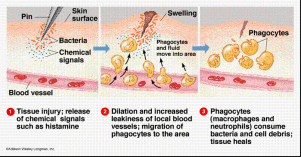
Inflammation is an immune reaction.
When it “gets word” that there is an invader on the scene, it sends its fighters to the location. Sometimes the battle gets messy and damages the surrounding environment. So for example, if a certain foreign bacterium makes its way through the skin, white blood cells (WBC’s) present in the local tissue will begin to act on them right away (by eating them, or capturing them and presenting them to the captains). They also send out chemical messages to recruit more and different types of white blood cells. Each of the 5 WBC’s works in a different way.
Simplified illustration of the inflammatory response.
Phagocytes are a class of WBC’s that often respond first. Macrophages and the neutrophils are the ones most active during the inflammatory response. Neutrophils stay in the blood, are short-lived and leave pus when they die. They are specialized in the anaerobic conditions of damaged tissues. Macrophages hang out in tissues and are long-lived.
Both types of phagocytes have surface receptors that recognize many bacterial pathogens, engulf and digest them and produce toxic oxygen species (including superoxide, hydrogen peroxide, nitric oxide, etc) to make sure the job is done right. Some of this toxic oxygen can leak out and damage healthy cells, though the body has enzymes to degrade these molecules. If any gets out of the cell and into the surrounding tissue, damage will be done to healthy skin.
Collectively, it is the molecules released by phagocytes upon encountering infection that induce local inflammation. There is accumulation of fluid accompanied by swelling, pain, reddening and heat. Capillaries dilate; blood flow slows; and blood vessel walls become more permeable.
The benefit of this process is that inflammation enables cells and molecules of the immune system to be brought rapidly and in large numbers into infected tissues, thereby preventing the spread of infection.
There are two problems with inflammation:
1) It is uncomfortable, unsightly and often painful. This is when we use topical emollient and soothing herbs.
2) When the body does not “turn off” the inflammation at any point, thus leading to chronic conditions.
Chronic versus Acute Inflammation
Acute inflammation is when, say, you get a minor cut which is red, painful and perhaps pus-filled. This is the body healing itself and is generally resolved in a few days to a week. We can certainly use herbs, oils and other natural substances to relieve pain and associated itchiness and other symptoms.
Chronic inflammation is where the most trouble is. Note this is different from sepsis- uncontrolled acute inflammation. It is a condition where the body is in hyper-mode, constantly having an inflammatory response to perceived threats.
These threats can be psychological stress, environmental stressors like chemicals, and foreign dietary substances (i.e. processed food). The consistent vigilance of the immune system keeps the body “on edge” and the normal stop mechanisms are suppressed.
If you think about it, much of our modern day world is harmful. The structure of current society and its fixes of stressful work, junk food and chemicals everywhere are actually low dose unspecified toxins, that either the body deals with day after day or the stop mechanism becomes non-functioning.
Natural Anti-Inflammatory Substances
Being in nature can be peaceful, restorative and is always filled with prana. Our human bodies have evolved with the plants and are a well-suited match. Herbs and other natural ingredients have much to offer to alleviate inflammation.
Reference: The Immune System by Peter Parham. Garland Publishing/Elsevier Science Ltd. 2000.

 Diaper rash takes many forms. So the first step will be figuring out what is causing the rash, as the different types require different natural therapies.
 For a decoction, just decoct (low simmer) witch hazel bark (one alternative is white oak bark), allow to cool, strain and either spray or apply with a cloth. Refrigerate this or mix it with distilled witch hazel to preserve. Using a pre-made, distilled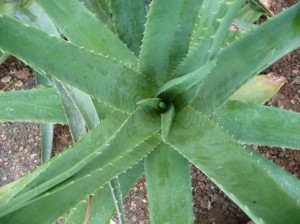
 Age spots are also known as liver and sun spots. These appear on light-skin and are thought to be the result of abnormal melanin pigment, which is stimulated by overexposure to the sun. It is not related as much to age as it is to length of sun exposure. However, the spots generally take some time to develop and so tend not to appear until later in life, after much sun exposure.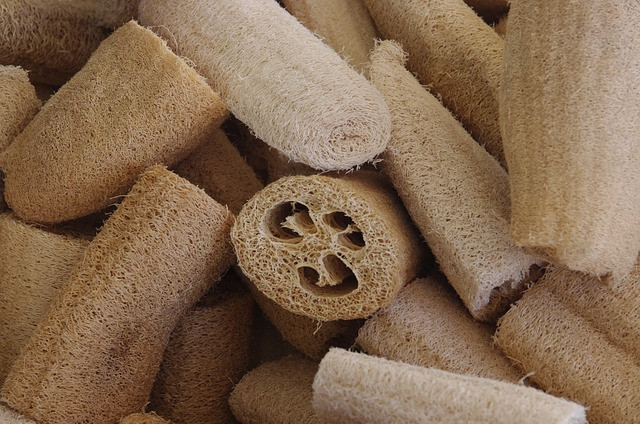
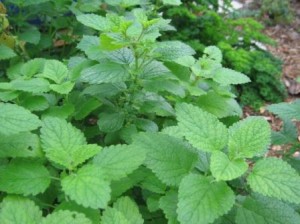 Lemon Balm (Melissa officinalis) is useful both as a tincture and essential oil. It is an antiviral herb with the benefit of soothing nerve pain and nervousness.
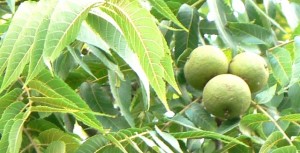 helpful for healing the sores. Black walnut also is a strong antiviral herb, along with being astringent and contracting, making it a well rounded cold sore remedy. Make a decoction of the hulls and dab the liquid to the cold sores. Or make a medicinal oil with the hulls and apply that to the cold sore.