Body transformation magic is the practice of changing the physical through the spiritual. Vibrating in gratitude is key to manifesting intentions. It also just makes life much more enjoyable, so that you may forget what…
Traditional Chinese Medicine and Skin Care
I learned about Diana and her company, Zi Zai Dermatology through researching about herbal dermatology. Diana has a very informative blog (link is at the end of interview) which covers Traditional Chinese Medicine and how it is related to various skin conditions. I am so excited to share this interview with you, as it is a really insightful look of TCM and the process of working with skin issues.
1) I am so intrigued by your use of Traditional Chinese Medicine for skin care. Could you give a brief overview of the TCM philosophy on skin care?
Our skin is an organ, just like our liver or lungs or heart. But this organ lies on the outside of the body and acts as the first line of defense for the body. It is a protective barrier between the outside world and your insides. The health of the body depends on the health of the skin and the health of the skin reflects the health of the body.
Thus, unhealthy skin is a sign that there is imbalance within the body as a whole. And unhealthy skin can eventually lead to other internal health conditions. So it is vital to take good care of your skin, but just as important to take good care of your body if you want to maintain the health of your skin.
Good nutrition, adequate exercise, and ample sleep are important to a healthy body and thus to healthy skin. According to TCM, everything should be done in moderation. Regarding nutrition, overindulgence in alcohol, sweets, dairy, greasy and/or spicy foods will lead to imbalance of the skin. Also, eating at irregular times or eating too much or too little will lead to imbalance of the skin.
In regards to general lifestyle, overworking, excessive sexual activity and overexposure to the elements (heat/sun, cold, wind, dampness) will lead to imbalance and affect the skin. Emotional imbalance such as excessive anger, excessive fear, excessive worry/over-thinking, or sustained grief will compromise the health of the skin (especially the skin of the face since we express so much of our emotion with our facial expressions).
Though I don’t think TCM specifically addresses topical skin/beauty products in its medical theory, I would certainly say it follows TCM philosophy to use only natural products on the skin when possible and to avoid exposure to harsh or toxic chemicals/substances.
In short, to maintain healthy skin, take good care of your body as a whole and live a healthy lifestyle. Easy, right? Well, even the best efforts don’t prevent disease. When an imbalance in the skin develops, then we can look to TCM to treat this imbalance with natural methods (such as acupuncture or other techniques) or with natural substances (internal and external herbal medicine).
2) I have been reading through your blog and see that many of the common skin problems (rosacea, acne, etc) are caused by “Heat”. What is Heat according to TCM and can you elaborate on how it produces certain skin issues?
Great question. Let me first make note that “Heat” (with a capital “H”) is used to denote the form of energy as understood by TCM and may differ in certain contexts from the generic term “heat”.
According to TCM, all of the energy and the substances in the body need to stay in relative balance in order to maintain health. When any of the forms of energy in the body become out of balance (too much or too little) symptoms will arise. Too much Heat can accumulate in the body if it enters the body directly (from the external environment) or if it arises from other internal imbalances.
External pathogenic Heat can invade the skin directly from overexposure to sun, from prolonged exposure to hot climate, or from respiratory viral or bacterial infections. Excess Heat can also develop over time from unexpressed emotions, poor diet (esp. overconsumption of greasy/spicy foods) or from imbalances in other organs in the body.
Basically, Heat that develops in the skin can be considered inflammation. However, in TCM there are different degrees of Heat (Warmth, Heat, and Fire) and we further classify Heat into additional subcategories to be able to more appropriately choose substances from the TCM Materia Medica to treat the specific form of Heat. For example, Heat can combine with Dampness to form pathogenic Damp-Heat. This is what you would see in skin conditions that are not only red, but also moist or weeping, like eczema when it presents as small vesicles (fluid-filled bumps).
Heat with Fire Toxins may present as an abscess, or inflammatory skin lesion with pus or infections. Fire, the most extreme degree of Heat, tends to flame upward, and so skin conditions that are caused by Fire tend to be located in the upper part of the body, the face and the head. Like the element of fire, skin diseases caused by pathogenic Fire tend to have rapid onset and flare quickly and the skin will be bright red and hot and may even have a burning sensation.
To successfully treat a skin disease that arises from Heat, we must consider not only the degree of Heat we are seeing in the skin, but also the source location of the Heat. In which organs or tissue is the Heat accumulated? For example, acne and rosacea are conditions affecting the skin of the face. Clearly there is inflammation of the skin (heat, redness, and even possibly swelling) and we can treat some of that with topical herbs. But these two skin conditions commonly develop as a result of accumulated Heat in the Lung and Stomach.
So if we only treat the skin of the face, we will never cure the disease because the Heat will continue to rise up from the Lung and Stomach. We must address the Heat that is in the other organs. And we treat this aspect of the condition with internal herbal medicine (in the form of teas, powders, or pills/tablets/capsules).
3) With that being said, what are some simple ways to clear Heat (i.e., diet, exercise or something else)?
Clearing Heat can be challenging to do without the help of medicine. It is best then, to avoid accumulating too much Heat in the first place.
Diet and lifestyle directly affect the health of one’s skin and both of these things can be controlled. If I had to pick only ONE thing a person could do to improve their skin’s health, it would have to be to avoid overexposure to the sun’s rays (this should be obvious, I hope).
The second most important choice someone can make to keep their skin healthy is to stop smoking. Smoking cigarettes and/or marijuana will not only directly introduce Heat and Toxins to the Lung (which will then go to other tissue including the skin), but it also depletes the body of Yin (the moistening, cooling energy that nourishes the skin and helps keep the Heat in balance). Depletion of Yin leads to dry skin that ages rapidly and wrinkles quickly. Once your Yin becomes deficient, it is challenging to add enough back into the body.
Avoiding or minimizing alcohol consumption is also vital to the health of the skin. This is especially true for those who suffer from rosacea and acne. Alcohol directly introduces Heat into the body and also creates Damp-Heat (more stubborn to treat than Heat alone).
Damp-Heat is also generated from the consumption of spicy and greasy foods, so it is best to eat those only in moderation. Too much dairy (and wheat for some people) will also create Dampness. The Dampness can combine with Heat that was formed elsewhere or if it stays in the body long enough, the Dampness will develop into Heat (forming Damp-Heat) all on its own (sort of like a stagnant pond will begin to heat up the longer it sits there stagnant).
Overworking and having too much sexual intercourse can also deplete the body’s store of Qi, Yin, Yang and Jing (energetic substances that one’s vitality depends upon). This will rapidly be reflected in the health of the skin and once lost, is very difficult (if not impossible) to regain. Without sufficient Yin, Yang, Qi and Jing, one’s body is much more susceptible to invasion of external Heat (or other pathogens) and to the imbalance of internal organs that can give rise to internal Heat.
My top 12 tips for maintaining healthy skin:
1. Avoid sun exposure when possible
2. Don’t smoke (any substance)
3. Avoid or minimize alcohol intake
4. Avoid or minimize consumption of spicy/greasy foods
5. Avoid or minimize consumption of dairy and wheat
6. Drink plenty of water
7. Exercise regularly
8. Get enough sleep each night
9. Express your emotions in healthy ways (don’t stuff them)
10. Don’t overwork
11. Have healthy sex but don’t indulge in excessive sexual activity
12. Use natural skin care products and avoid exposure to harsh or toxic chemicals
About Diana: Diana Hermann received her Master’s Degree in Acupuncture and Oriental Medicine after completing a four-academic-year graduate program at the Oregon College of Oriental Medicine (OCOM) in Portland, Oregon. Diana has been in private practice since 1999 and has much experience treating a vast array of illnesses and conditions. Her specialties include, but her skills are not limited to: dermatological conditions, autoimmune diseases, pain and injuries, respiratory and other infections, and general wellness. In 2009, Diana founded Zi Zai Dermatology, a company that hand crafts topical herbal ointments and other skin care products based upon the principals of Traditional Chinese Herbal Medicine.
You can read more about TCM and its use in dermatology on the Zi Zai Dermatology blog.
I have had the pleasure of working with local medical herbalist Ola Obasi in various capacities over the past year. Ola is a driving force in the Pittsburgh herbal scene and is a blessing to the community. I am so pleased that she was able to do this interview to bring light to some holistic ways we can all take better care of ourselves and therefore, our skin. Check out her website and shop, Ola’s Herb Shop, where she does health consultations, education and carries beautiful products online and in person.
Q: As a medical herbalist, what is your philosophy on skin care?
As a medical herbalist and a person who has struggled with acne vulgaris throughout my 20’s and early 30’s, I believe that skin health starts from inside-out. Skin problems like acne, rashes or skin diseases all stem from certain imbalances with the internal organs.
In addition, lifestyle and hygienic habits may also be secondary factors. The skin functions as the largest elimination organ of the human body, so caring for it is essential for proper detoxification to occur.
Q: Do you find that there is a main cause to most skin issues? Can you please elaborate on the cause?
No. There are several factors that could contribute to skin issues and all may originate in various places. For example, the least common reason for skin issues such as hygiene could be a possibility especially in adolescents. As their hormones change and they produce more oil through their sebaceous glands, this group would find that simply washing and cleansing with certain gels and pH products could make a large difference in their skin’s appearance.
Also, skin products are prime in assisting the skin to cleanse environmental pollutants that may also stress the skin’s health. However, most people with skin issues are very clean and aware of the imbalance of their skin because it’s obvious.
The most common reasons for skin issues could be, say, dietary. The majority of my clients who struggle with skin problems experience a reaction from their food. They may be intolerant or allergic and the body is trying to detox the “toxin” out. Being that the skin is the largest elimination organ it makes sense that toxins would show up on it.
Next, specific skin issues such as eczema or psoriasis originate from imbalances in the digestive system. Often, liver herbs are recommended to support liver to detox. In a nutshell, proper digestive function, nutrition, and lifestyle are factors in maintaining skin health.
Q: With that being said, what are some simple ways to get to the root of many skin problems (ie diet, exercise or something else)?
So to improve skin in general, I would start with adequate intake of water, water, water. Pure water is the prime remedy for all problem skin cases; individuals with acne, aging skin, eczema, psoriasis, rosacea, dry skin, rashes etc. Simply because our bodies are composed of over 70 percent water and our body functions require water to function at a cellular level. Detoxification processes require water to cleanse and rejuvenate cells and tissues. So people need to be conscious about having healthy water intake.
Another daily practice is diet. To pay attention to food reactions and interactions is highly important. These could vary from dairy products to citrus fruits. It would be advisable in this instance to work with a nutritionist or knowledgeable health care practitioner closely to figure out which foods are toxic in the body.
Stress reduction! Hormonal imbalances should be considered too. Reproductive and stress hormones are linked to creating skin problems when imbalanced. Acne in particular could be closely related to testosterone levels in the body. It is a reason why adolescents commonly struggle with acne since at puberty hormonal growths and transitions are taking place to find balance in the body.
However, stress is also a common factor in acne, psoriasis, rosacea and other skin problems. The stress hormone, cortisol, can affect reproductive hormones such as testosterone which could lead to higher acne production, but can also aggravate sebaceous and sebum stimulation and secretion increasing acne, psoriasis and other skin problems.
Herbal remedies, nutrition and supplements are recommended in optimizing proper hormonal balance.
In line with skin hygiene, it is important to use clean, natural and well designed skin care products for individual use. Harsh products can permanently damage the skin or create a reactive response such as rashes, contact dermatitis and hives.
Natural products for specific skin types can be gentle and modified for individual need. In addition, natural skin care practices such as facial steaming, exfoliation, moisturizing, masking and toning are all beneficial in maintaining skin care, nurturing and assisting the elimination, repair and rejuvenation process to take place.
Moreover, natural topical products can assist the skin’s immunity towards bacteria, fungi and viruses. This is especially specific to skin problems such as warts and tinnea.
Lastly, many times people neglect to monitor their bathroom habits. When nature calls it is important to obey. Having consistent bowel movements is crucial in the detoxification process therefore healthy skin care. Constipation has been linked to skin problems and should be rectified immediately.
~To sum, important factors for maintaining or regaining skin health~
1. Healthy water habits: pure, clean water drunk in adequate amounts
2. Dietary habits and healthy digestion: pay attention to the body and notice if there are trigger foods. Decrease unhealthy fats, like imbalance of Omega 6, fried foods and other fast foods. Eat more antioxidant type foods (vegetables, fruits) and soluble and insoluble fibers.
3. Balance hormones with herbal therapy and supplements
4. Hygienic practices; cleansing, exfoliating, masking, moisturizing, steaming the skin.
5. Daily bowel movement habits.
Q: I was always taught that with skin issues we look at the liver. Thoughts on that?
I have heard many herbalists say the same thing. I think the liver is one piece of the puzzle as it manufactures hormones and excess hormones are excreted in the bile and then eliminated. It is also related to digestion and healthy bowel movements.
However, it is unfair to only look at the liver. There are certainly other organs in the body that can affect the skin. And these organs need to be nurtured to optimize healthy skin growth and repair. Moreover, an outward focus on the skin using healthy, clean and natural products designed to assist in the repair of damaged or wounded skin is crucial.
Since the skin contains pores that are like nostrils breathing in all that is around us, including environmental toxins and pollution, one has to consider their environment as a factor in skin health. So it is unfair to only focus on the liver, I choose to focus on the holistic connection of skin care and health which as you can see can be like putting puzzle pieces together.
Thank you for sharing your wisdom, Ola.
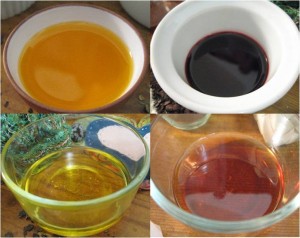
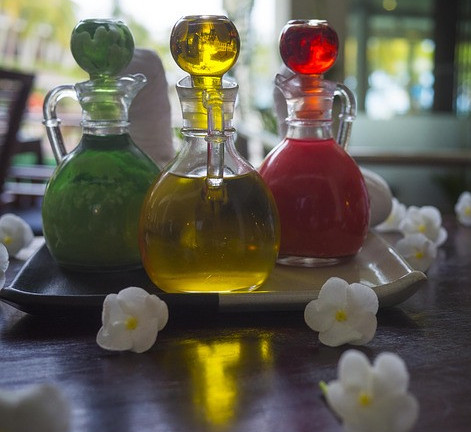
Lately I have been very intrigued by the idea and practice of decorating the body using natural colorants. Natural ways to create the colorants include infusing oils with herbs for color using plants that have high amounts of pigments. Some of these plants include indigo, madder, henna, and alkanet.
A few years ago, I played with natural dyes for cloth and it was super fun. I made an indigo dye vat and colored cloth for a reupholstering project and also for children’s activities. We took all these pieces of unused natural fabrics (like drop cloths, old curtains and so on) and dyed them reds, blues, purples, yellows using Staghorn sumac, indigo, grapes and goldenrod.
For that purpose, the plant materials were decocted into water and then the cloth was either soaked or simmered with the resulting liquid dye. The cloth was also usually prepared with a mordant (a fixative for the color) and then dyed.
So, how does it work when we want to paint the skin? Sure, the plant could be powdered and made into a paste to apply. This is awesome too. I am curious though if a more glossy or transparent effect could be made by first coloring the oils and then using them directly on the skin.
This is what I am experimenting with now! I’d like to create colored oils to be used for body painting, decorating and generally celebrating the beauty of the body. We will see if infusing oils with herbs for color works or if the finished oils will not show up on light skin.
Quite often, you beautiful people are asking me about food for skin and what to eat for a generally healthy complexion. While this is a huge topic, a grand place to start is with my top five suggestions below!
Before I begin, I must say:
EVERYBODY IS DIFFERENT.
Yes, you probably hear that quite a bit. It is because it is so true. The first step in holistic healing modalities is to know your constitution which makes you unique. There are many ways to learn about your special body and needs. I suggest studying Ayurveda or Traditional Chinese Medicine or consulting with a holistic practitioner.
Many people tout this or that particular food (for example, aloe juice or garlic or lemon) without realizing the underlying energetics at play. Those foods / medicines might be great for some people or for short periods but aloe is cool, garlic is hot and lemon is astringent.
Soooo, a person struggling with a cold or deficient condition should not be taking aloe everyday because they’ll make it worse. And a person with lots of inflammation might find garlic irritates. Lemon will dry out and so a person with dry skin will find it worsens that.
The guidelines that I will give are based on my education and experience with Ayurveda, TCM, the Weston A. Price Foundation and intuition. I don’t prescribe to popular dieting advice. This is what works for me and I have found works for others as well.
Intuitive eating can be learned…as first the unhelpful habitual eating patterns need to be unraveled before the intuition is very clear (ie, a craving can sure feel like intuition in the beginning!!).
Food for Skin
Foods High in Antioxidants
Skin cells are always dying off and being born. They interact with the environment and our skin products. Antioxidants are critical to offsetting damage from free radicals in the environment. Free radicals are molecules with an unpaired electron, which connect with oxygen and can create a domino effect of destruction. Antioxidants basically prevent the oxygen from connecting with the free radicals, eliminating damage to the skin.
Antioxidants are high in many fresh fruits and vegetables. Some of my favorites are:
Green tea (Camellia sinensis) – has so many wonderful health benefits but be aware that it is astringent and too much can be drying. Two to three cups a day would be the max.
Dark berries – including blueberries, raspberries, and mulberries. Berries are best and most potent in season. Eating lots of berries in the cold weather can create cold imbalances.
Red cabbage – a great vegetable source of antioxidants! This is a great source of antioxidants through the fall and winter.
Cod Liver Oil
Cod liver oil is a great food for skin (well, really a supplement) as it is high in Omega 3 fatty acids which are an integral component of building cell walls. It is also really high in Vitamins A and D, both critical vitamins for skin health.
Make sure to purchase a brand that has been tested to be free of heavy metals and other pollutants.
Probiotic-Rich Foods for Skin
These are foods that are full of beneficial bacteria. Did you know there are much more bacteria in our bodies than cells?? Yes, bacteria help in a synergistic way with all sorts of bodily functions, including being very important in the digestion process.
As food for skin, they help by regulating digestion and improving the skin microbiota and barrier function. Healthy digestion creates vibrant skin as unhealthy digestion often is reflected in the skin.
Good sources of probiotics:
Beet kvass
Homemade sauerkraut or other lacto-fermented vegetables
Kombucha
Kefir and yogurt
Finally, eliminating sugar from the diet can be of great benefit to skin health.
The process of glycation is when sugar contacts collagen and basically destroys it. The loss of collagen is one of the main causes for skin aging, so something to keep in mind.
These are some foods for skin that you can start incorporating right away to improve or maintain skin health.
One thing I’ve been experimenting with lately and hence, thinking about, is women and facial hair. I started plucking my hair when I was about 12 and as of about two months ago just stopped. I was told not to pick on myself anymore and to love myself…so that is what I am doing :) If you would have asked me three months ago to go natural, I would have ran away from you!
It’s really fascinating to witness myself and where I feel more or less uncomfortable, who I am around and in what lighting and so forth. It has also been an amazing way to increase my self-acceptance, not hide and release shame. To be able to look squarely at somebody and just embrace that this is the way that I am.
Not that this is where all women are coming from, but this is where I was. You see what happened when I was 12 was that I was picked on by some older boys at school about my facial hair. I did not have the tools then to let it bounce off of me and so I internalized it. Most likely I started plucking that day! I felt like it was a flaw that I needed to hide in order to be seen as desirable…the funny thing is those same boys became my really good friends a few years after that…AND a couple of them had crushes on me.
Nonetheless, the shame started then and it has been very uplifting to let some of it go. It hasn’t gone all at once though and is certainly a process. It has been a process within a bigger transformation that I am going through and one that has involved connecting more deeply with people, opening my heart and being vulnerable. Like, this post is pretty vulnerable.
So now I get to sit with my wild and dark eyebrows and upper lip hair on my sort- of-pale-skin and see how I feel. There is a deep part of me that really likes it. In Yogic traditions, it is said that removing eyebrows damages the third eye.
Maybe I will decide to remove my facial hair again or maybe not.
The power is in the choice.
The point is to make a FREE choice, based on what I like, what I want and who I am and not based on what women are “supposed to” look like in this culture or what is perceived as “desirable” and therefore worthy and valuable.
It has brought up many feelings around being valuable and how I value myself. I have noticed as a woman that value is often measured or given based upon attractiveness, attention from men or other traits that are not my core spark and spirit.
At the same time, I was coming from that place and undervaluing myself. I can honestly say that since I have begun to open up and come out of hiding that I have had many more positive interactions with people, both men and women. So maybe the pressure we put on ourselves is much more than anything outside of ourselves.
Are you a woman blessed with alot of hair? What do you choose to do with it? I would love to hear about your experiences.
I was excited to find Caroline’s highly informative website when researching skin care in ancient Egypt and delighted that she agreed to do this interview with me. It is both fascinating and revealing that many of the commonly used ingredients are still used today! I hope you enjoy this interview and if so, please pass it along!
1) Could you elaborate a bit on the ancient Egyptian philosophy on skin care?
The ancient Egyptian concept of medicine was partially based on magic, and it is from such medico-magical texts that we can understand the ancient Egyptian philosophy of skin-care:
“Six volumes containing ‘the secrets of the physicians’ are said to have been kept in Egyptian temples. Medical works were certainly handed down over long periods so that glosses became incorporated into the texts. Some of the surviving papyri are specialist works; others contain treatments for a wide variety of conditions and even household hints and recipes for cosmetics.” (Pinch 1994, p. 133)
One such medico-magic remedies was for bald patches. ‘To charm away alopecia’, the sufferer had to recite a spell or prayer to the sun god over a collection of iron, red-lead, onions, alabaster, and honey.
Yet much of their skin and body care was practical. All ancient Egyptians used cosmetics, regardless of sex. As Egypt is a hot and dry climate, bathing was a necessity; priests, especially, had to be clean and bathed several times a day. A paste made of natron (swabu) and ash or clay was used as a soap, as well as for cleaning teeth, and as a way to combat certain skin diseases. Oils and unguents were then rubbed into the skin to keep it supple, and they used different forms of deodorant which incorporated incense as an ingredient.
The black eyeliner (mesdemet) used by the Egyptians to prevent themselves from being dazzled by the sun was derived from galena, which was also used to assist with eye complaints due to its disinfectant properties. Green eye makeup was also popular. So although some of their treatments seem unusual – or downright bizarre! – to the modern eye, the ancient Egyptians had an extensive working knowledge of their environment and what could be used to both beautify themselves, and protect themselves against the Egyptian climate.
2) What were some common skin care practices and routines amongst the ancient Egyptians and how did this differ between the classes?
The major difference between the classes when it comes to skin-care was one of quality. Most people would have applied their own makeup after having washed in the Nile, and had access to caster or linseed oils and a few important cosmetic ingredients for their skin.
The rich, however, could hire a professional cosmetician (seshat), or even a professional hairdresser (shen), and they would import exotic, perfumed unguents, kept in well-stocked cosmetic boxes, for use after cleaning themselves in their limestone bathrooms.
Another example, according to Tyldesley (1994, p. 147), is that while the general populace would probably have used flint flakes as razors and oil as shaving-cream, the nobility had access to metal razors, tweezers, knives and soap for depilation purposes. Yet the ancient Egyptians, rich or poor, male or female, would not have dreamed of going without their cosmetics!
3) I am really interested in skin care products, oils, herbs or other substances that were used by the ancient Egyptians. Can you tell us about some of these and their uses?
The Egyptians had an extensive knowledge of beauty treatments, from the simple to the complex. Scholars have not, as of yet, managed to translate all ingredients that were used, but a number of treatments are known. According to Manniche (1989, p. 44), one facial cleanser was made from oil and lime, whilst a body scrub was a paste made of a mixture of calcite, natron, salt and honey.
An anti-wrinkle treatment involved frankincense, wax, moringa oil, and cypress grass mixed being with fermented plant juice. To make the skin ‘more beautiful’, alabaster powder, natron powder, and sea salt were mixed with honey and rubbed into the skin.
One of the more bizarre suggestions from the Papyrus Ebers was a facial cleaner which would ‘make the face smooth’. It involved mixing bullock’s bile, whipped ostrich egg, oil, dough, natron, a type of resin and milk, and had to be used daily. A concoction to prevent baldness involved writing fluid, hippopotamus fat, and gazelle dung! However, as Pinch (1994, p. 134) points out, some of the more repellent-sounding ingredients may be code for herbs and other more normal substances.
However, two recipes from the Papyrus Ebers stands out in particular:
“Another to cause the hair to fall out: burnt chaetopod (?), boiled with oil and balanites-oil, is applied to the head of a hated woman (i.e. a fellow-wife).
Another: burnt leaf of lotus, is put in oil and applied to the head of a hated woman.
To expel it in the following manner: shell of tortoise, is burnt, ground and placed in fat from the leg of hippopotamus and (it) is anointed therewith very, very often.” (Ebbell 1937, p. 80)
The more beneficial skin-care treatments often included oil, fat, wax, honey, natron, and milk. I would recommend reading Lise Manniche’s An Ancient Egyptian Herbal if you wish to learn more about the specific plants used by the ancient Egyptians.
I will close with a modern adaption of an ancient Egyptian remedy for wrinkles:
Ancient Egyptian Anti-Wrinkle Oil Updated
One teaspoon sweet almond oil Two drops of essential oil of frankincense
Apply to the cleansed face nightly with a gentle massage. (Illes)
A big thank you to Caroline!!
Do you use any of these ingredients in your skin care routine?? Share below!
Sources: Bryan, C. P. 1930, The Papyrus Ebers: Translated from the German Version Dollinger, A., Personal Hygiene and Cosmetics, <http://www.reshafim.org.il/ad/egypt/timelines/topics/cosmetics.htm> Ebbell, B. 1937, The Papyrus Ebers: The Greatest Egyptian Medical Document lles, J., Beauty Secrets of Ancient Egypt, <http://www.touregypt.net/egypt-info/magazine-mag06012000-mag4.htm> Manniche, L. 1989, An Ancient Egyptian Herbal Pinch, G. 1994, Magic in Ancient Egypt Strouhal, E. 1992, Life of the Ancient Egyptians Tyldesley, J. 1994, Daughters of Isis: Women of Ancient Egypt
About Caroline:
Caroline is currently studying a Bachelor of Archaeology at La Trobe University in Australia, with the aim of getting into Honours after she completes the degree. She is specialising in ancient Civilisations, and has studied the Maya, Aztec and ancient Egypt under Professor Peter Mathews. She has worked on various archaeological digs within Australia, and for a commercial archaeology company for three years. She has written about ancient Egypt since 2000, and has been published in the free online TourEgypt magazine, and in Orascom Telecom’s TALK magazine. You can learn more about Caroline’s work on her website.
Today, Sara Davoodi is going to go over the basics of Ayurvedic skin care– that is using the Doshas as a guide to how to exquisitely care for your skin. Sara is the Founder & Creator of Athar’a – Pure, exotic skin essentials.
~~~~~~
Ayurveda is an ancient Indian healing practice that is still considered one of the most sophisticated mind-body systems, focusing on overall health and wellness. Ayurveda literally means – science of life (Ayur = life, Veda = Science) and offers a system of knowledge that helps the human body reach vibrancy, energy and health through natural practices. The principles of balancing your mind and body also impact your natural beauty and improve skin health.
What I like most about Ayurvedic beauty practices is that it’s individualized and there’s not a one size fits all approach. There are 3 different mind-body and skin types, also known as Dosha in Ayurveda. The three Dosha in Ayurveda are Vata, Kapha and Pitta, each possessing different characteristics.
Knowing your Dosha can help you make the most optimal diet and lifestyle choices and enhancing your skincare routine with natural Ayurveda skin care products will help improve your overall health and beauty.
Vata(Reflects elements of air and space)
Attributes: If this is your dominant Dosha than you tend to be agile and creative with a thin, lean frame. Your energy comes in spurts and you are likely to experience bouts of fatigue and have sensitive digestion. When unbalanced, Vata types tend to experience anxiety and worry.
Vata hair is generally, dry, frizzy and brittle with skin that tends to be dry, rough and thin. It tends to crack and lack luster due to lack of moisture. Vata dosha skin types also tend to have dark spots and can experience premature aging and wrinkling if not properly cared for.
Balancing Vata: To Balance this mind-body type, the Vata dosha should make lifestyle choices that bring warmth and stability to your life. Exercise that isn’t too strenuous, such as light cycling, yoga, dance and short hikes are all examples of nice activity levels to balance Vata.
Food choices should include all types of nuts, heavy fruits such as bananas, mangoes, pineapples, avocados and dates and lightly cooked, not raw vegetables such as asparagus and carrots. Eating at regular intervals around the same time each day and getting to bed earlier is optimal for this dosha. Finally, taking care to hydrate and moisturize with an all natural and organic antioxidant face cream will help keep away wrinkles, dark spots and dryness
By the way…Vata is the type of yours truly :)
Pitta(Reflects elements of Fire and Water)
Attributes: Pittas are usually of medium size and weight with a fiery nature that manifests in both body and mind. When in balance they are great teachers and decision makers, with perfect digestion, lustrous skin and high energy! When out of balance, they can be hot-tempered and experience ulcers, indigestion and skin rashes.
Balancing Pitta: To get this type balanced spend time becoming one with nature! Spending time outdoors, hiking through the woods can be calming and balancing for the fiery Pitta. Sweet and tart fruits such as cherries, oranges, grapes and pineapple are also highly recommended for this type.
Kapha(Reflects elements of water and earth)
Attributes: The Kapha Dosha has a larger, sturdy frame with excellent stamina. If you’re a Kapha, you are likely to have larger eyes, radiant skin and thick, wavy hair. By nature, you are calm, loving, patient and loyal. You sleep soundly and have regular digestion. If unbalanced, you may gain excessive weight, become depressed, sleep excessively and experience allergies and or diabetes.
Balancing Kapha: To keep the Kapha Dosha happy, exercise daily with more energetic activities such as running, swimming and completive sports – whilst listening to upbeat music as Kaphas should increase stimulation to balance their status quo routine. Kaphas will benefit from a liquid diet once a week, this can include pureed vegetable soups, smoothies and juicing fruit and veggies.
What Is Your Dosha?
While many people experience characteristics from all three Doshas, knowing your Dosha and adjusting your fitness and eating habits accordingly will help you achieve near perfect health and radiant skin. Finding matching natural Ayurveda skin care products will further enhance your beauty. Find out what your dominant Dosha is, take this Dosha quiz.
Athar’a is an all natural, organic, vegan skin care line, inspired by Eastern & Ayurveda beauty traditions. I also LOVE that Sara donates a Moringa tree for every 100 Facebook likes, so be sure to go like her page!
I have been using natural skin care oils for years successfully and make custom blends for other people as well. I absolutely love oils and have converted over from creams almost entirely.
Some common questions I receive are ‘Won’t using oils make me greasy?’ or ‘will oils cause my skin to break out or clog my pores?’
While it is important to choose the right oil for your skin type, it is just as important to properly apply the oils. It is true, as you probably know, that applying oils incorrectly will just leave a layer of oil that just stays on the surface. Nobody wants that! And it prevents the oils from working since they are not being absorbed optimally.
The most important part of applying oils without getting greasy is to apply to damp or wet skin! Then massage and pat the oils into the skin, allow to be absorbed, and use a damp cloth to remove excess. When removing excess, literally just put the cloth over the skin and pat (don’t rub or pull or wipe).
Abyangha is an Ayurvedic practice of daily self-massage with oils. It has so many benefits for the body and spirit, including amplifying skin health and moisture and strengthening the circulatory, nervous and lymphatic systems.
On a more esoteric level, it protects us from negative outer influences and strengthens our natural boundaries and preferences. As you see, the practice of caring for the body includes more than the physical, as “matter” and “spirit” are inextricably connected. When we care for the body, we care for the soul.
Now, I apply oils daily and though it takes effort and a bit of discipline, I am so pleased by the benefits. I have a young son and carving out this self-care ritual is an act of love for myself and also challenges my creative thinking skills.
Here is my daily routine:
I have a yogurt maker that I keep in the bathroom and store my oils in. I plug it in at night so that in the morning the oil is a perfectly warm temperature. This not only feels so good but it also helps the pores to open up and better receive the oils.
How to Apply Abyangha Oils
1) Set your intention. This body care stuff is a healing and sacred act and taking a moment to remind yourself of that is powerful.
2) Start with your feet and legs and massage the abyangha oils up towards your heart. Keep the flow towards the heart for your whole body. Meanwhile, whisper sweet nothings to yourself, about how beautiful, strong and healthy you are and how the oils are doing their job perfectly.
3) Work your way up massaging each part in turn with the same process:
~Belly, hips, thighs and buttocks
~Lower back
~Chest, breasts, neck (don’t forget the back of the neck)
~Out to the arms and hands
~Face and ears (those ears have mad sensors and it’s good to stimulate them!)
4) Take a moment at any part of your body that is in need of extra special healing and love and once again, set your intention that this part of you is healed and operating at full vibrancy (it’s inherent in our DNA you know).
Now you get to let the oil soak in for a while. I make abyangha part of my daily practice (sadhana) and so I take this time to meditate, pray and otherwise revere the sacred. You could also wear a robe and do whatever you do in the morning. The oils will stain clothing so wear something particularly for your abyangha practice. Give it a minimum of 15 minutes soaking time if you can for maximum benefits.
Next you shower and this washes off the excess oils yet leaves your skin moisturized.
One of the really fun things is creating your own oil blends to suit your skin type, the season and temperature and any current healing needs you may have. A blend that I made recently was designed to be very rich and nourishing to bring my dry and somewhat neglected skin back to vibrancy.
This yellow-green, thick and rich oil goes on very smoothly and feels delightful. Being heavy and warming, it is perfect for “recovering” skin: cold, dry, ashy, uneven tone to restore moisture, pliancy and even tone.
When I first started using this blend, I double dipped applications (morning and evening) and when my skin responded noticeably after only two days, cut back to once per day.
Abyangha is good for everyone, from babies to elders. It is particularly valuable for maintaining youthful skin, as one of the keys to healthy skin is oil which keeps the cells plump.
This site is filled with natural ingredients to use, recipes, remedies and more. I want to also cover fully natural skin care tips and techniques- special ways of utilizing all this Earth goodness.
With the knowledge of how to use the lovely ingredients, we can recreate the mystery of the caves, the red tents, the places where people go to deepen into themselves and the natural world and reemerge with new wisdom, insights and ways of being.
We can do this in very elaborate and striking ways and literally create the cave through rituals and gatherings with others.
And we can do this in simple ways, in how we care for ourselves on a daily basis.
These natural skin care tips are some of my personal favorites. I’ve found that how we use something is often as important as what we are using. For example, there is a precise way to use oils without being greasy. This happens to also allow the oils to penetrate the skin better and therefore, allow the benefits to be received.
If we just slap on some oil, it will sit on the surface and not be absorbed, limiting the usefulness in the first place!
Here are some basic natural skin care tips & techniques to get started:
~Natural skin care routines~
There are as many ways to shape your routine as skin types and people! Some advocate not using any creams or oils on your face at night to allow the skin to breathe and detoxify. Many other experts recommend special nighttime serums and creams.
You can find all the products you need for a luxury beauty routine here.
Some people swoon over oils while others suggest light moisturizers. Then when you factor in sun
protection, makeup and other “additions”, coming up with a routine can be a little perplexing.
What works for some will not work for all and so it ends up being a very individual routine.
~Cold Showers & Hydrotherapy~
Yep, cold showers. There are some serious benefits for the skin and also for the nervous system, lymphatic system and more. However, I don’t recommend them for everybody, particularly people who are already having some Cold imbalances or those in need of nurturing and nourishing.
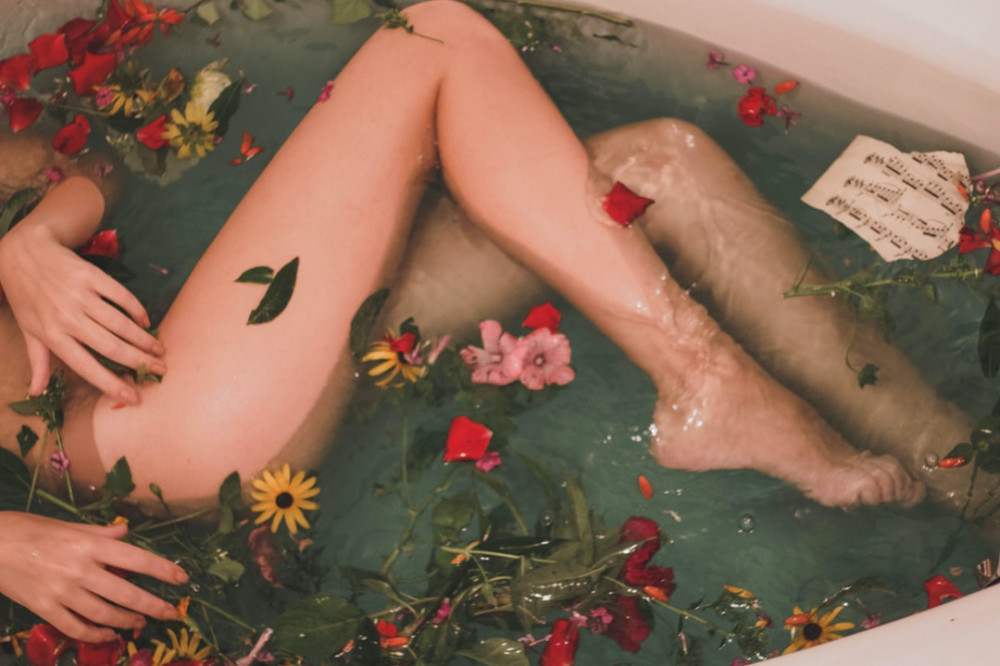
There are other hydrotherapy techniques, like alternating cold and hot water and of course the famous bath in its many forms. In addition to direct skin benefits, bathes are deeply relaxing and ritualistic, connecting us with the deeper parts of ourselves, where all healing takes place.
This is a technique of brushing the skin with a loofah, body brush or some other lightly abrasive natural material before applying oil (or before the shower). It has many benefits, including stimulating
circulation, removing dead skin and evening skin tone.
~Foot Oiling~
Did you know the feet are hugely receptive to chemicals as well as detoxifying what the body doesn’t need? They also have thousands of receptors connected throughout the body (the study of which is called
reflexology).
Foot oiling can help balance the entire integumentary system (skin and “appendages” like hair and nails).
~Abyangha~
One of my favorite practices, abyangha is very nourishing and therapeutic. It also is tremendously helpful for alleviating dry skin, rashes and itchiness.
~Facials and Masks~
It’s really fun to play with food from the kitchen and herbs from the garden to create facials and masks for skin health or healing. Once you get the basics down, you’ll know how to throw together a facial in a few
minutes and can do that on a daily basis.

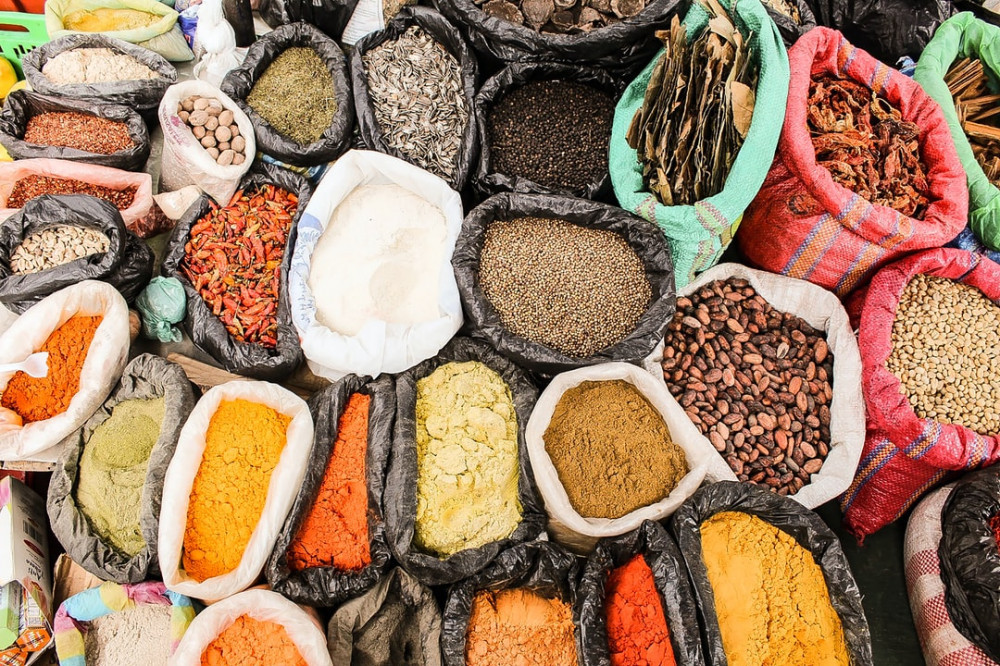 Lately I have been very intrigued by the idea and practice of decorating the body using natural colorants. Natural ways to create the colorants include infusing oils with herbs for color using plants that have high amounts of pigments. Some of these plants include indigo, madder, henna, and alkanet.
 One thing I’ve been experimenting with lately and hence, thinking about, is women and facial hair. I started plucking my hair when I was about 12 and as of about two months ago just stopped. I was told not to pick on myself anymore and to love myself…so that is what I am doing :) If you would have asked me three months ago to go natural, I would have ran away from you!