Below are 7 calendula recipes for skin care uses. If you want to learn more about the particular uses for this herb, check out Calendula for Skin.
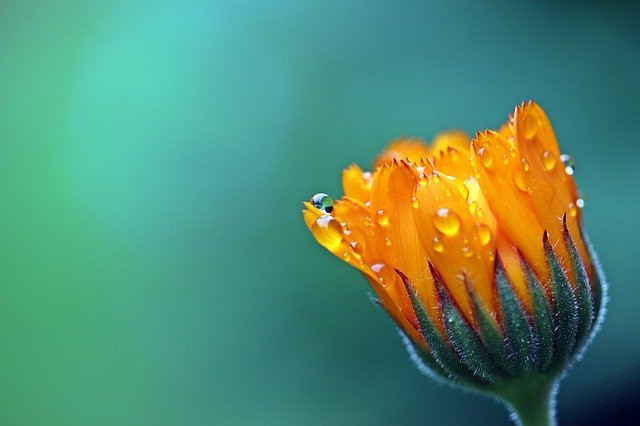
I just love herbs that can be used in so many ways, for so many reasons! There are a variety of ways to use this sunny herb.
I use the flower mostly; though I like to use the leaf as well, it is not commercially available. But if you grow it feel free to use both. If I wanted to use it as a hair rinse for lightening blonde hair or as a dye, I would just use the flowers.
When making alcoholic extracts of calendula, it is necessary to use a high percentage of alcohol as calendula is resinous and resists extraction at lower amounts. The calendula recipes for tinctures below make an approximately 65% alcohol base. Grain alcohol is hard to come by in many states however.
Organic Calendula Flowers are a beautiful golden-orange color, which means they were dried correctly and retain their medicinal properties (herbs should retain their natural color when dried; if they are brown when they shouldn’t be, this means they’ve lost their properties).
1 cup flowers, packed
2 oz distilled water
8 oz grain alcohol, 190 proof
Directions:
Break up the flowers by hand or in a mortar and pestle. Put the flowers into a 12 ounce glass jar. Mix the water and alcohol together and pour over the calendula flowers. Shake this daily for 28 days. To strain, use cheesecloth lined in a strainer (old t-shirts work well too!) or a tincture press.
Fresh Calendula Flower Tincture
Fresh is best if you have it! This is so simple to make, LOVE it.
Ingredients:
Fresh flowers and leaves, enough to tightly fill a 16 ounce glass jar. Use about 70% flowers and 30% leaves
~16 oz grain alcohol
Directions:
Break the flowers up by hand. Pour the grain alcohol over the flowers. Shake this daily for 28 days. To strain, use cheesecloth lined strainer or a tincture press.
Calendula-Infused Oil
Ingredients:
1 cup dried flowers
12 oz extra virgin olive oil
Directions:
To make a cold infusion, simply break up the flowers and cover with oil. Be sure to remove air pockets, cover and shake. Allow this to steep for 28 days. Strain using old, clean t-shirts and squeeze out all the oil.
Basically this is an infusion (made similarly to a tea!). It can be used as a wound wash, a cleanser, hair rinse or a compress!
Ingredients:
2 tablespoons dried or fresh flower and leaf
8 oz water
Directions:
Put the herb in a cup. Boil water and pour over herb. Allow to steep at least 15 minutes or up to 2 hours. Strain using reusable coffee filter and use the infusion when cool enough.
A Beautiful Way to Cleanse the Face
This can be a standalone cleanser or formulate a cleansing grain with calendula powder or whole flowers ground up.
Ingredients:
2 teaspoons Calendula flowers, powdered
½ teaspoon water, milk or rosewater
Directions:
To use this, just pour the calendula powder into the palm of your hand and add the liquid to make a paste. Rub the paste in circular motion on your face and rinse with tepid water.
Calendula Poultice
This may be the simplest recipe to make- basically just macerate (break apart) the herb and put it on the skin!
Ingredients:
Fresh flowers- enough for the area to be covered
Directions:
Grind fresh flowers in a blender, food processor or by hand, adding just a bit of water if needed. Take all this mash and apply it directly to the skin, covering with an old t-shirt or layers of cheesecloth. Wrap firmly and keep in place with a safety pin. This can be removed after a few hours and the skin washed off with some cool water.
Uses of calendula for skin range from beauty to first aid. Calendula grows with the sun-that is, it has a long growing season if started from seed and will be ready to harvest in late summer or early fall, as the sun starts to lessen. Calendula is used in everything from lip balms, tinctures, wound washes and oils.
This affinity for the sun shows us that calendula embodies certain qualities. It shines light and warmth where it is needed. Energetically, it is warm and both dry and moisturizing (being neutral in regards to moisture). Therefore, calendula has a special use for swollen, hot, painful and pus-filled tissue.
Generally, the flowers are recommended for use, though I’ve experienced medicinal properties in the leaves as well. If you can grow calendula, investigate the leaves. They are resinous and almost sticky in texture and have a strong aroma, indicating that they hold valuable medicine.
Calendula is safe for children and animals. It is wonderfully gentle and powerful. If I am dealing with a skin issue, calendula is one of my go-to herbs.
Calendula is an emollient and can help to moisturize dry skin. It also contains carotenoids which nourish the skin.
Scars and Varicose Veins
A calendula wash is used for healing scars, thread veins and soothing varicose veins. Thread veins are tiny, broken veins on the face.
To make a wash: steep leaves in water for 20 minutes to 3 hours. Strain. Pat on face, keep on for at least 20 minutes and gently wash off.
An alternative to this (and potentially easier and more enjoyable way) is to make a strong tea of 1 tablespoon per cup of water, strain and add the tea to a bath. Soak in the bath for a 20 to 30 minutes minimum.
Calendula as Antiseptic
It has antiseptic, antibacterial and antiviral properties, making it useful for salves and balms for cuts, wounds and for healing piercings. Any other lacerations, hang nails, bedsores, irritated rashes will benefit from using calendula.
Prevention of Dermatitis
Calendula has been shown to work in the prevention of acute dermatitis for patients undergoing postoperative irradiation for breast cancer. To use for protection from environmental stressors, apply a calendula salve before and after the stress. Harness the uses of calendula for skin by making your own salve.
Wound Healing Activity of Calendula for Skin
Perhaps the most common and therapeutic uses of calendula for skin is for healing wounds. It is used on both new and old wounds, is safe for mucous membranes and has a great track record.
Using calendula increases both wound closure (very important in wound healing) and protein metabolism (forming new skin). For healing wounds, a daily application of calendula extract or calendula cream is used.
For slowly healing wounds and amputation stumps, one study showed that wound granulation appeared within several days of initiating treatment and secondary skin developed within 10 to 14 days. Using calendula ointment also reduced discomfort during dressing changes. For slowly healing wounds, apply calendula salve twice daily.
Calendula speeds up cell proliferation which quickens healing. It also keeps wounds from hardening and forming scars. It would be beneficial to use for healing the perineum after childbirth.
It helps to heal burns (including sunburn), bruises and inflammatory diseases of the skin.
References: Wood, Matthew. The Earthwise Herbal, a complete guide to old world medicinal plants.
Phase III Randomized Trial of Calendula Officinalis Compared With Trolamine for the Prevention of Acute Dermatitis During Irradiation for Breast Cancer. American Society of Clinical Oncology, 2004. Pommier, Gomez, Sunyach, D’Hombres, Carrie and Montbarbon.
Calendula officinalis and Wound Healing: A Systematic Review. 2008. Matthew J. Leach.
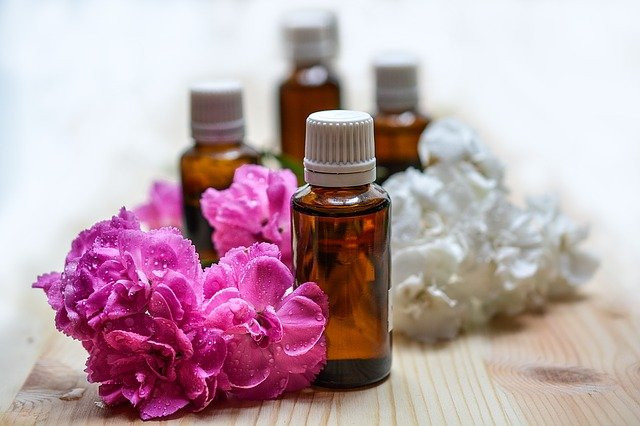
There are many differences between essential oils and herbal oils. Matter of fact, the only real similarity is the plant from which they come… oftentimes, I see the two totally different products being confounded into one.
It is important to distinguish between the two. Many times I encounter people saying that they tried to make an herbal oil and it didn’t turn out how they expected. I suspect this is because they are imagining an essential oil as the final product. The two are completely different products; the most common part being the word ‘oil’.
While both are used frequently in natural skin care, they are as different as salt and clay.
What do you think the biggest difference between the two is?
Here are the 3 biggest differences:
1) Production
Essential and herbal oils are produced through totally different methods. While essential oils are made through a complex and sophisticated distillation process, herbal oils are made in many low tech ways and are quite fun to make at home.
2) Use
Each of these products has a totally different use, though both are used in natural skin care. E.O.’s are used in small amounts and herbal oils quite liberally! Herbal oils are the basis for the practice of abyangha, which tends the skin but also is very beneficial for the nerves, digestion and blood.
3) Scent
This is a biggie. Essential and herbal oils are very different in terms of scent and you’ll want to learn which is which. E.O.’s are used in aromatherapy for their scent and natural chemicals that produce therapeutic effects. Herbal oils are often very mild smelling or totally take on the smell of the carrier oil.
Most folks know of the most common use of aloe vera for skin: treating burns. Did you know that there are many other applications for aloe?
I’ve used aloe vera in creams, toners, blended with lavender essential oil and straight! I find it has an astringent, toning and tightening nature which makes it an excellent toner on its own, to be used under a skin oil.
Being water-based, aloe can hydrate and moisturize. It is also soothing, cooling and extremely healing. It is used in Ayurveda to maintain beauty and decrease the signs of aging. It is also estrogenic, making it useful for women for vitalizing and toning the skin.
Aloe vera actually prevents sunburn for me! If I apply it immediately after sun exposure, I find the redness subsides immediately and turns to tan.
Click here to read more about the benefits and uses of aloe vera for skin.
Major Wound Healing Properties of Aloe
Aloe vera for skin is quite effective for wounds of all sorts, when used topically or internally. It has been used successfully for such serious wounds as caused by burns, frostbite, electrical injury, and drug abuse injection site abscesses. It actually can reverse tissue necrosis when used in these cases!
Aloe has demonstrated faster healing times following dermabrasion, reducing the chances of infection and skin discoloration upon healing. It is also used as a wound healer for sore and cracked nipples during breastfeeding.
Periodontal uses of aloe vera for include: acute mouth lesions, including cold sores, ulcers, canker sores and cracks around the lips. Aloe is also used with effective to remarkable results for chronic ulcers, eczema, minor injuries and poison ivy allergic reactions. It also shows anti-edemic and analgesic activity in the opportunistic infections experienced by diabetes patients. This is a a remedy you’ll want to have on hand!
The anti-inflammatory properties of aloe assist in its ability as a wound healer. It cools down burns and aides in cell-regeneration. The wound healing capacities include increasing tensile strength of the healed skin, so that it is able to be flexible and therefore stronger. It heals completely and without scarring.
Aloe Vera to Dry Up Acne
It is also highly useful for acne, as it is able to kill Proprionibacterium acnes, a bacteria that plays a major role in all types of acne. It has potent antibacterial effects against Streptococcus pyogenes, Staphylococcus aureus, Pseudomonas aeruginosa and Escherichia coli. To use it for acne, apply the aloe as a toner before putting on a moisturizer, morning and night.
Be Sure to Purchase Real Aloe Vera for Skin
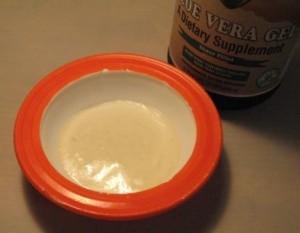
If you are unable to grow the plant, be sure to purchase aloe vera that is free from additives. I like to buy my aloe vera at Mountain Rose Herbs. There are many products on the market touted as “aloe vera” that are actually comprised of very little of the actual plant. Aloe vera is a gel-like substance, clear in color and somewhat lumpy.
Reference: Wound Healing, Oral and Topical Activity of Aloe Vera, Clinical Abstracts.
Comfrey oil and comfrey salve have basically the same medicinal properties. The differences are 1) in the addition of beeswax in the salve and 2) the end use for the creation.
Beeswax is a binder, a thickener, and a skin protective substance. To make a salve, it is a third or quarter of the final product (recipe below).
A salve makes for easier application. I also prefer salves for on the road and for many medicinal applications. For instance, myself and others that have used my products use salves rather than oils for:
Diaper rash
Cuts and scrapes
Torn nails and cuticles
When applying a band aid
For the lips
For upper thigh chafing
Comfrey is a potent plant. It is a major skin repairer, with the ability to heal wounds really fast. So fast, in fact, that care needs to be taken for deep wounds so they don’t heal from the top down. Once the bottom layers begin to heal, then apply the salve.
It can be found in the midwife’s bag, the farmer’s medicine cabinet (useful for animals wounds of all kinds), a mother’s apothecary and a traveler’s first aid kit.
Directions:
This makes 4 oz total. Set up a double boiler using a pan with a few inches of water and in it put the Pyrex container. Put the oil in and add beeswax until it is at the 4 oz mark. Turn the stove on and monitoring closely, stir with a chopstick periodically to help melt and distribute the beeswax. When all the wax is melted, pour into a glass or metal container. Allow this to cool and harden. It will take an hour or two.
This recipe can be increased or decreased using a 1:4 beeswax to oil ratio.
To use, simply scoop some of the salve and apply.
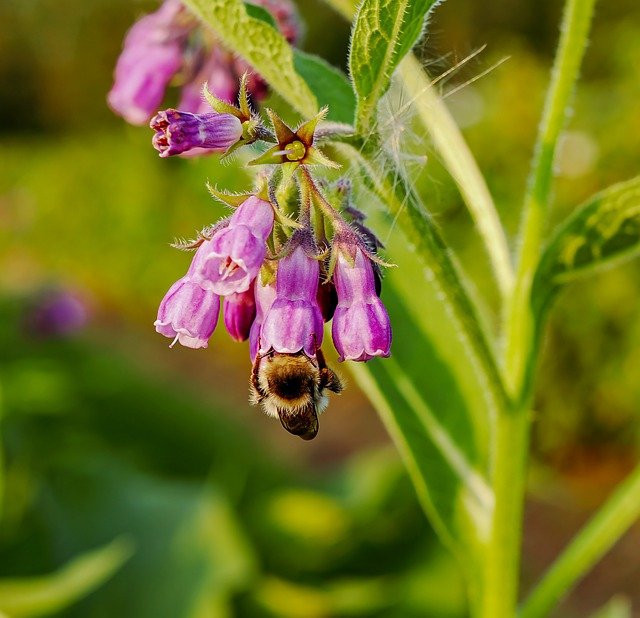
Comfrey oil (Symphytum officinale) is another potent herbal remedy for skin care. It is high in allantoin, a mucilaginous healing substance that causes cell growth.
An old European folk remedy, many uses of comfrey abound.
Being mucilaginous, common uses of comfrey include healing wounds, preventing scars and treating existing ones, decreasing dryness and flaky skin, and soothing irritated skin.
Comfrey also has mild astringent and drawing qualities, making it useful for alleviating cysts, toning a loss of texture/firmness on the skin and increasing movement of fluid within the joints.
It is anti-inflammatory and analgesic and has been used externally as an ointment to assist in the healing of sprains and broken bones.
It also shows effectiveness in treating atopic dermatitis, psoriasis and eczema.
Care needs to be taken not to use comfrey too soon on wounds, as it may heal the top layers before the lower which could lead to infection. Comfrey root is also fairly high in pyrrolizidine alkaloids, which are a liver toxin. External use in small doses when the liver is healthy is considered safe.
Both the root and leaf are useful for making comfrey-infused oil. Comfrey leaf has an irritating and prickly texture. It can cause some contact dermatitis; however, it is a soothing agent when broken up! The root is very juicy, mucilaginous and high in allantoin.
If possible, use freshly dried herbs for this purpose.
To freshly dry comfrey root: dig the root when it is dry weather, clean by hand or using some water and a vegetable brush if needed. Brush the root gently however. Chop finely; lay out on a paper bag overnight.
To freshly dry leaves: harvest, wipe the dirt off with a towel, and allow to dry whole overnight.
Here is my favorite comfrey oil recipe:
Ingredients:
8 oz Comfrey leaf (70%) 4 oz Comfrey root (30%) Extra virgin olive oil, to cover, approximately 16 ounces
Directions:
The roots should already be broken down by chopping. Go ahead and break up the leaves by hand. To make this using the cold infusion method, put all the herbs in a 16 ounce glass jar, cover with olive oil, cap and shake. This can steep for 28 days. To strain, use an old t-shirt lined in a strainer, pour the mix through into a bowl and squeeze the t-shirt with herbs in it. The strained liquid is your comfrey oil!
To make comfrey-infused oil using another method, including those that take less time, check out the article Herbal Oils.
Reference: Efficacy of a Comfrey root extract ointment in comparison to a Diclo-fenac gel in the treatment of ankle distortions: Results of an observer-blind, randomized, multicenter study. Predel, Giannetti, Koll, Bulitta, and Staiger, 2005.
Photo Credit: By Frank Vincentz (Own work), via Wikimedia Commons
Herbal oils are fantastically useful and practical to have on hand.
I’ve used them as an emollient for the bath, as a body moisturizer, for all dry or irritated skin, on the hair and scalp, fingernails, for massage, as spiritual anointing oils, daily abyangha practice, as a base for creams and salves, face moisturizer, as cleansing agents…herbal oils are mult-faceted.
Herbal oils are also called infused oils, or herbal-infused oils. They are a mixture of herbs with a natural skin care oil, in this case a “carrier oil”.
They are NOT essential oils. Essential oils are made through a distillation process.
Herbal oils are made through soaking the plant material into a carrier oil for a set period of time. This process extracts the oil-soluble plant components into the carrier oil. Then, that is strained out and what is left is the herbal oil which can be used for skin, hair, or any concoction you are making.
The most commonly used carrier oil is extra virgin olive oil, though they can also be made with coconut oil, jojoba oil, sweet almond oil, apricot kernel oil, grapeseed oil and most other plant oils, or even lard or ghee.
The herbs chosen for the process will depend on what purpose the oil will be used.
Some common herbs used in this preparation include calendula flowers, comfrey root and leaf, plantain leaf, elder flowers and lavender flowers. I’ve made oils with many other herbs, like rose petals, dandelion flowers, marshmallow root, dong quai, and poke root.
Though I prefer to make them with dry or freshly dried herbs, some herbalists use fresh herbs for their blends. I’ve had a few batches of freshly-made herbal oils develop mold and though it can be removed, I’d rather not be worried about re-growth.
How to Freshly Dry Herbs for Your Oils
Harvest the herbs, lay out somewhere with good air circulation and leave for 12 to 24 hours. That’s it! When the herb appears and feels like it is losing its water content, it is ready to use. It will be somewhat withered but not yet crunchy.
There are several ways to make herbal oils as well. It is always good practice to label creations with the herb used, oil used, quantity of each, method used and date.
Creating an herbal oil is a magical process.
Way 1: Cold Infusion
Fill jar ¾ full with dry herb
Cover with carrier oil of choice
Allow to steep in a cool, dark place for 4 weeks
Strain and squeeze herb (at this point called the marc) to get every last drop. You may run the herb and oil through some layers of cheesecloth or an old cut up t-shirt which makes it easier to squeeze.
Way 2: Stove-top Method
Set up a double boiler and turn stove on. Allow the water in the double boiler to get to a simmer. Alternatively you can turn the stove on after step #4
Fill Pyrex jar with herb
Cover with carrier oil of choice, fill to just above the top of the herbs
Place the jar in the water
Using a chopstick, continually check the temperature of the oil and agitate the herbs. You want the oil to be hot, but not burning. If it is burning your skin, turn the heat down and/or remove the herb/oil infusion until it gets right below that warm/hot spot.
Allow the mix to warm for an hour minimum and as long as 4 hours.
Strain, allow to cool, and press out the oil.
Way 3: Sun Infusion
Follow the procedure for Cold Infusion above but…
Rather than storing in a cool, dark place, set out in a sunny area or windowsill
Leave for up to 4 weeks
Strain as above
Way 4: Yogurt Maker or other low, slow heat Method
Fill jar to ¾ full
Put in a yogurt maker and cover
Allow to infuse for 24 to 48 hours
Strain as above
A note on this method: the yogurt maker maintains a constant temperature of about 90 degrees F, so any other low, slow heat methods need to be around that temperature.
I’ve had a lot of folks ask about using a Crock Pot to make herbal-infused oils, and unfortunately, the lowest setting on these is about 150 degrees F, which is TOO HOT for this. The high heat will degrade both the herbs and the oils. That being said, you can greatly nurse the Crock Pot for a fresh and juicy herb, it requires lots of watching over a period of time.
Which method do I prefer?
It really depends on time availability. I find myself using the cold and stove top methods most often, followed by the yogurt maker. I’ve made just a few sun infused oils, particularly with fresh herbs and they’ve turned out well.
Crafting Herbal Oils for Specific Uses
Looking to make an herbal oil for a specific use like acne or psoriasis?
Maybe you’d like to create an erotic massage oil or something for sore muscles?
As herbal oils can be made with any herb, I encourage you to browse the ‘herbal skin care’ section of this site to learn all about how to make a healing oil for your particular needs.
The second part of crafting an herbal oil is selecting the carrier oil, potent in the final product as well. For that please check out articles within the ‘natural skin care oils’ section.
Herbal skin care is an ancient way of tending the largest organ of the body- the skin! It involves the use of plants for daily maintenance of the skin, treating particular skin conditions and beautifying the body.
On a daily basis, we use products to care for our skin: cleansing, moisturizing, protecting and otherwise pampering or beautifying. Herbs can be incorporated into the homemade products that you make, you can purchase already made herbal skin care products or use the plants in their whole form.
Herbs as Cleansers
I love to make a batch of cleansing grains and use this to wash my face. Cleansing grains are a mixture of grains or grasses (like oatmeal, amaranth or corn meal), clay, beans or seeds and you guessed it: herbs.
Everything is blended to a fine meal texture (or the texture you prefer) and mixed together. This final product is then stored dry and used one teaspoon at a time mixed with a bit of water. The paste is used as a cleansing mix, to exfoliate and draw out dirt and residue.
Just put a teaspoon of cleansing grains into your palm, add just enough water to moisten it and massage into the skin in a circular motion for about 30 seconds. It can also be left on to make a mask or rinsed with fresh water. This gentle cleanser is not drying and it can be crafted for your particular skin type or based on seasonally fresh herbs and grains.
Herbs as Emollients
An emollient (moisturizer) generally has a mucilaginous texture and will soften and soothe the skin. Juicy herbs like marshmallow, violet and comfrey are lubricating on their own. You can use them freshly macerated and applied straight, as a poultice or infused into herbal oils. They could also be blended and the resulting liquid used externally. This is a blend to use up right way and stored in the refrigerator as it will have a shelf life similar to ripe fruit.
Which Herbs Protect the Skin?
Many herbs possess antioxidants and other plant chemicals which protect the skin from stress and damage. Stress for the skin comes from pollution, lots of sun exposure, poor diet and being exposed to synthetics. Of course, removing the external stressors as much as possible is ideal. Alas, we’ve created a very stressful world and so in addition to adjusting external circumstances, using herbs for skin care can also be helpful.
Here is a small sampling of herbs with protective factors:
Ginkgo (Ginkgo biloba) is a powerful antioxidant and prevents the harmful effects of UV light. It is high in a plant flavonoid called quercetin. It also decreases the number of UVB-induced sunburn cells.
Green and black tea (Camellia sinensis) are able to prevent UVA/B-induced skin cancers, are anti-inflammatory and protect against UVB-induced edema and damage.
Rosemary (Rosmarinus officinalis) and Sage (Salvia officinalis) are both powerful antioxidants and are chemoprotective against cancer-causing substances.
Milk thistle (Silymarin marianum) is an antioxidant and anti-inflammatory used traditionally in Europe for 2000 years. It has skin cancer chemoprotective action and topical use can significantly inhibit UVB-induced skin edema, formation of sunburn and apoptotic cells.
Many herbs are high in tannins, as they protect plants through a chemical defense from predators and UV light. Tannins are potent antioxidants that protect against free radical damage caused by UV exposure and reduce the risk of skin cancer and premature aging.
Pine bark (Pinus spp.) is a free radical scavenger and works by producing antioxidant enzymes.
Basil (Ocimum basilicum) is a strong anti-inflammatory.
And the list goes on!
Plants are powerful allies; herbal skin care can help with all sorts of stressors by protecting the skin. Herbs can be made into creams, toners, salves, oils, and many other creations and used liberally and safely on the skin.
Working with Herbal Energetics for Skin Care
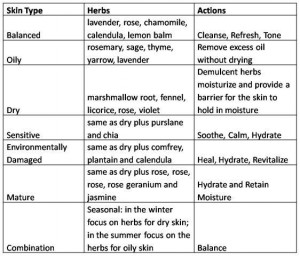
Gaining knowledge of the energetics, or properties, of herbs is very helpful to incorporating them into skin care formulas. See the list below for some beneficial skin care herbs and their actions:
Addressing Particular Conditions with Herbal Skin Care
Herbal skin care is utilizing the benefits of plants to help heal the skin in a myriad of ways.
For example, calendula salve is used to quicken healing of wounds. Witch hazel astringent can help decrease large pore size, acne and hemorrhoids. Rose oil is a wonderful balancer, meaning it helps increase oil production in dry skin and decrease it in oily skin.
Beautifying with Herbs, Roots, Flowers
Humans and plants have evolved together; we have always used herbs to fulfill basic needs and for many other purposes. Herbal skin care has a long history in obtaining or preserving beauty, from the ancient beauty secrets of China and Egypt to using herbs that decrease wrinkles and other signs of aging.
My take on beauty is this- it is an innate quality that everybody has; it is relative to each person; and each person has their own unique beauty so it is best not to compare. Herbal skin care can help each one of us to be as beautiful as we are: vibrant, with twinkling eyes and healthy skin.
Reference:
Natural phenolics in the prevention of UV-induced skin damage, a Review. Institute of Medical Chemistry and Biochemistry, Faculty of Medicine, Palacký University, Hněvotínská 3. Biomed. Papers 147(2), 137–145 (2003), A. Svobodová, J. Psotová, D. Walterová.
 I just love herbs that can be used in so many ways, for so many reasons! There are a variety of ways to use this sunny herb.
 There are many differences between essential oils and herbal oils. Matter of fact, the only real similarity is the plant from which they come… oftentimes, I see the two totally different products being confounded into one.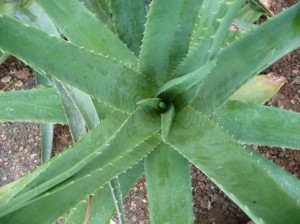
 Comfrey is a potent plant. It is a major skin repairer, with the ability to heal wounds really fast. So fast, in fact, that care needs to be taken for deep wounds so they don’t heal from the top down. Once the bottom layers begin to heal, then apply the salve.